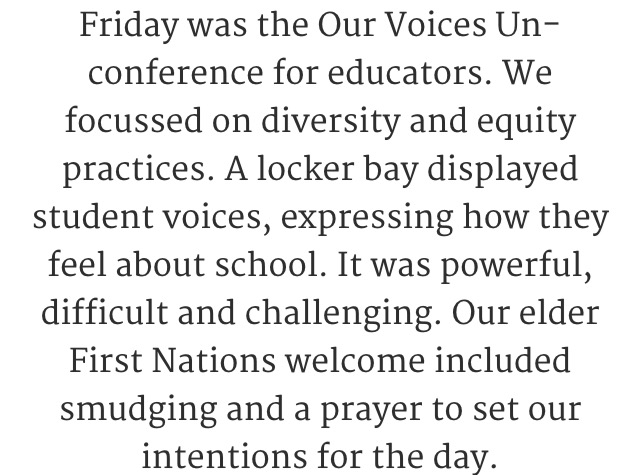
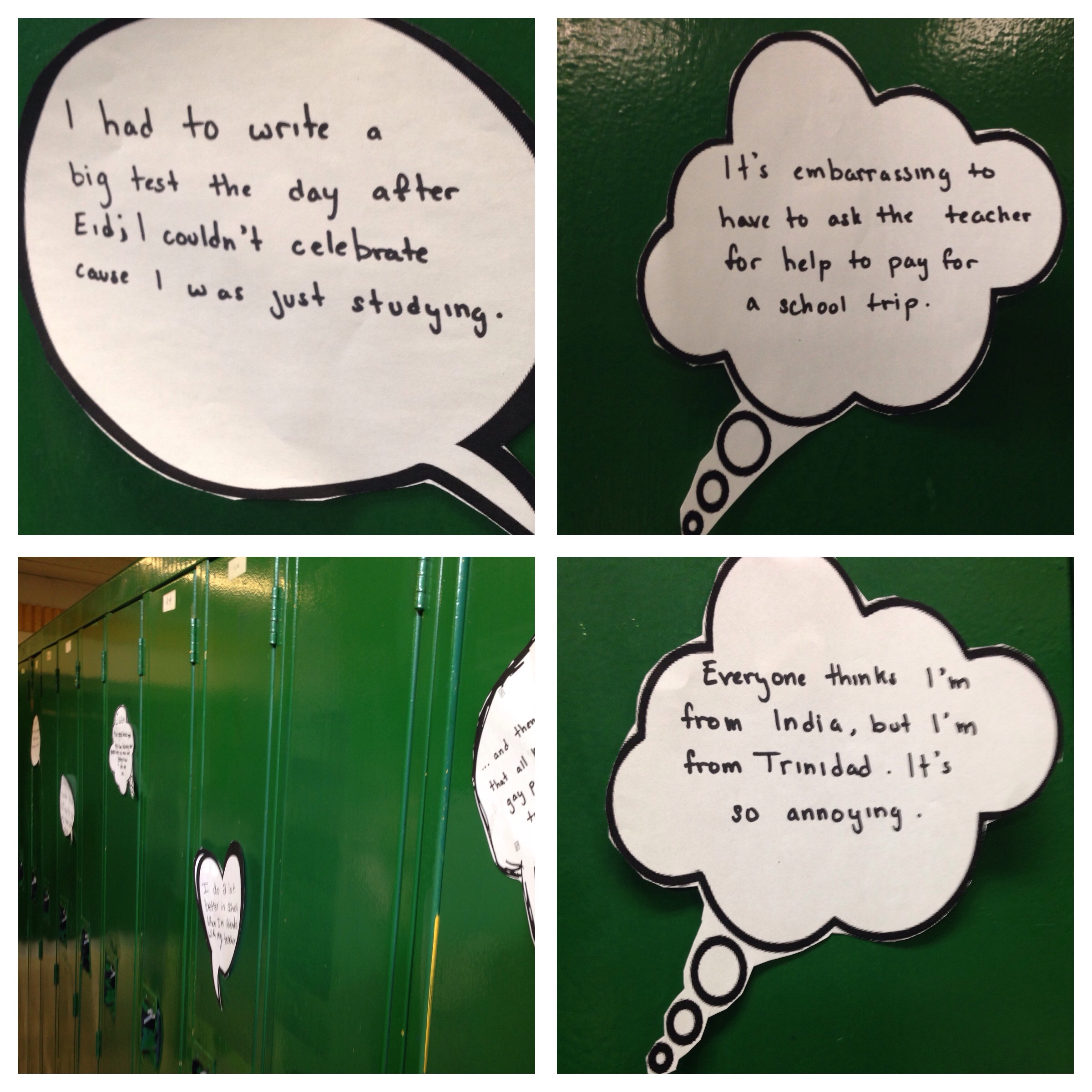
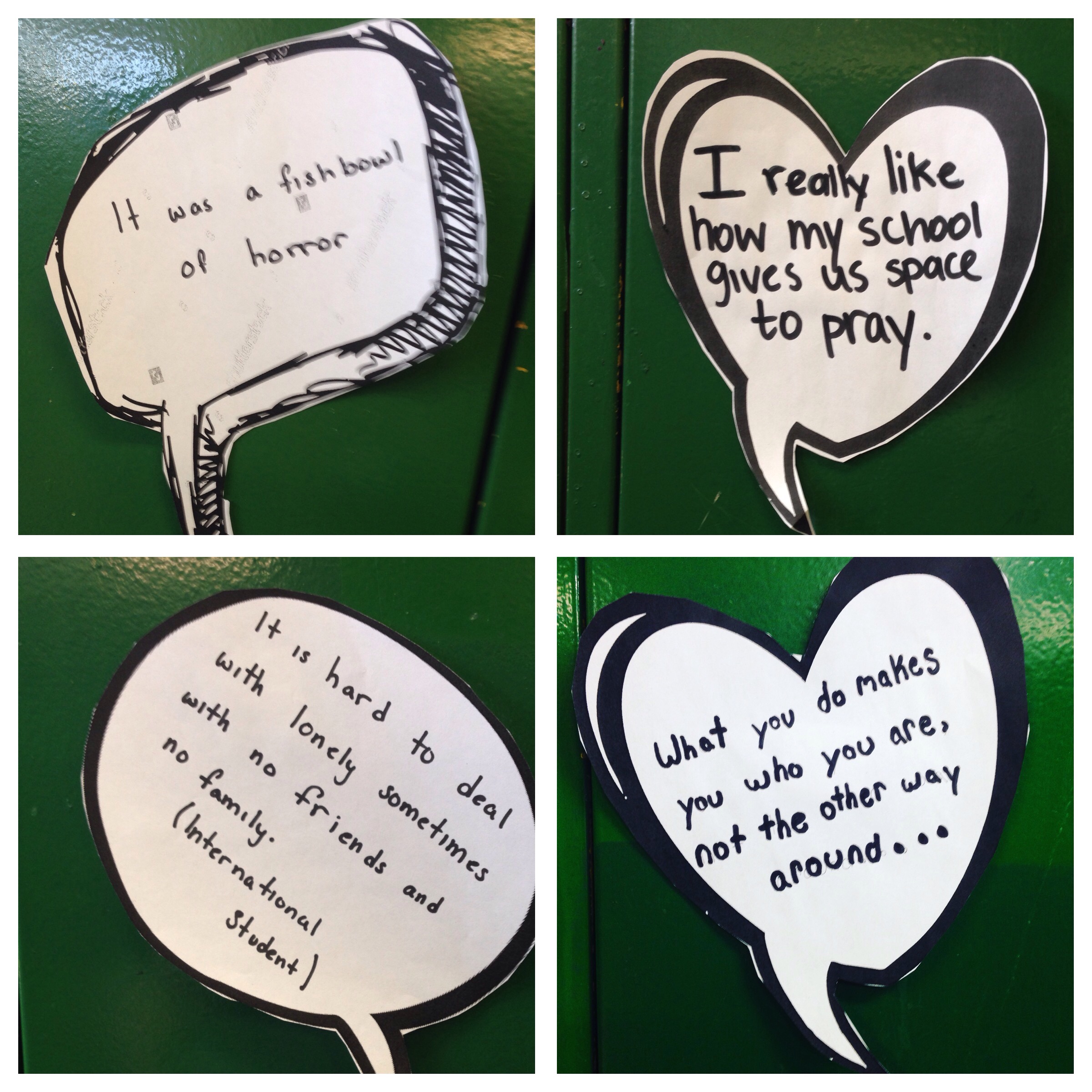
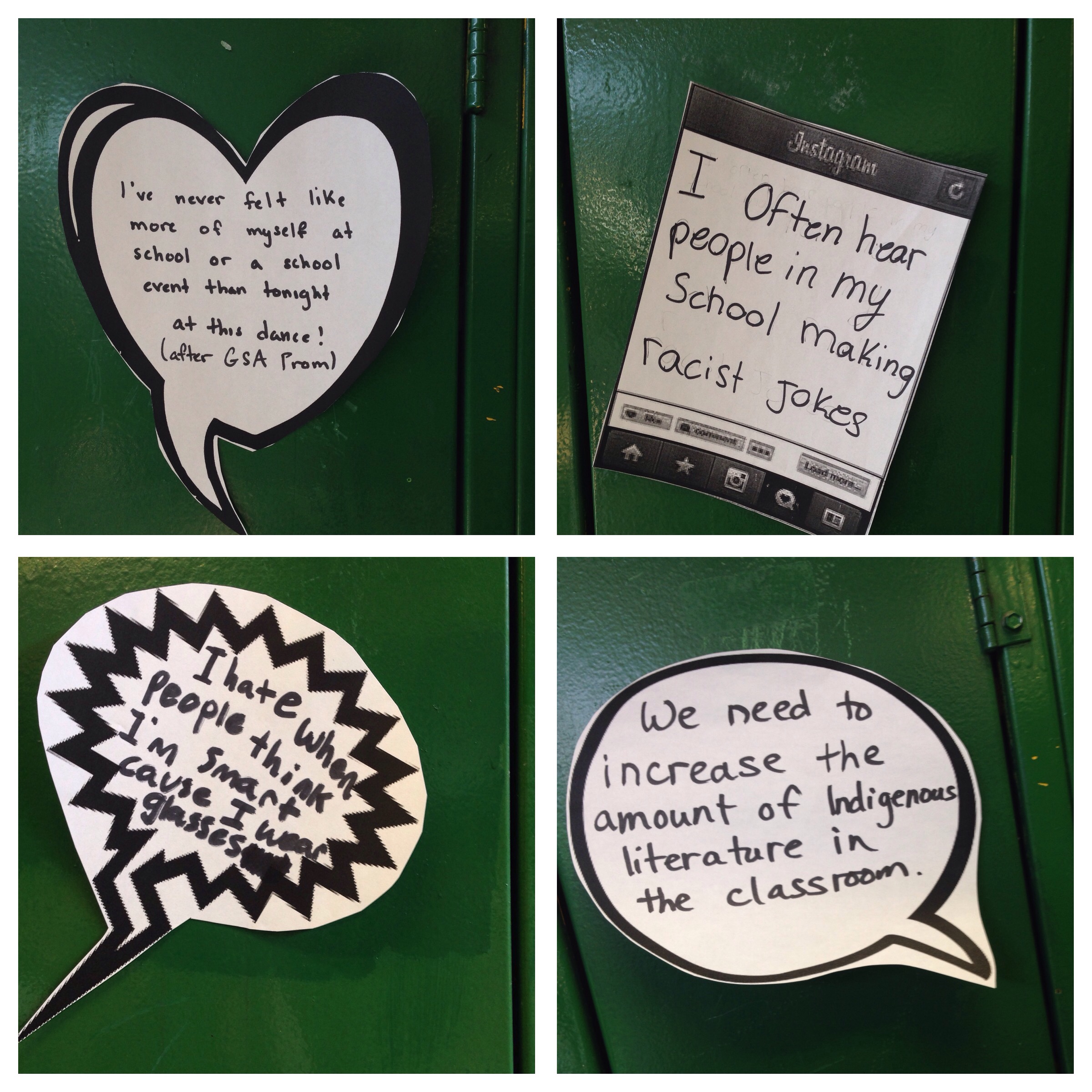
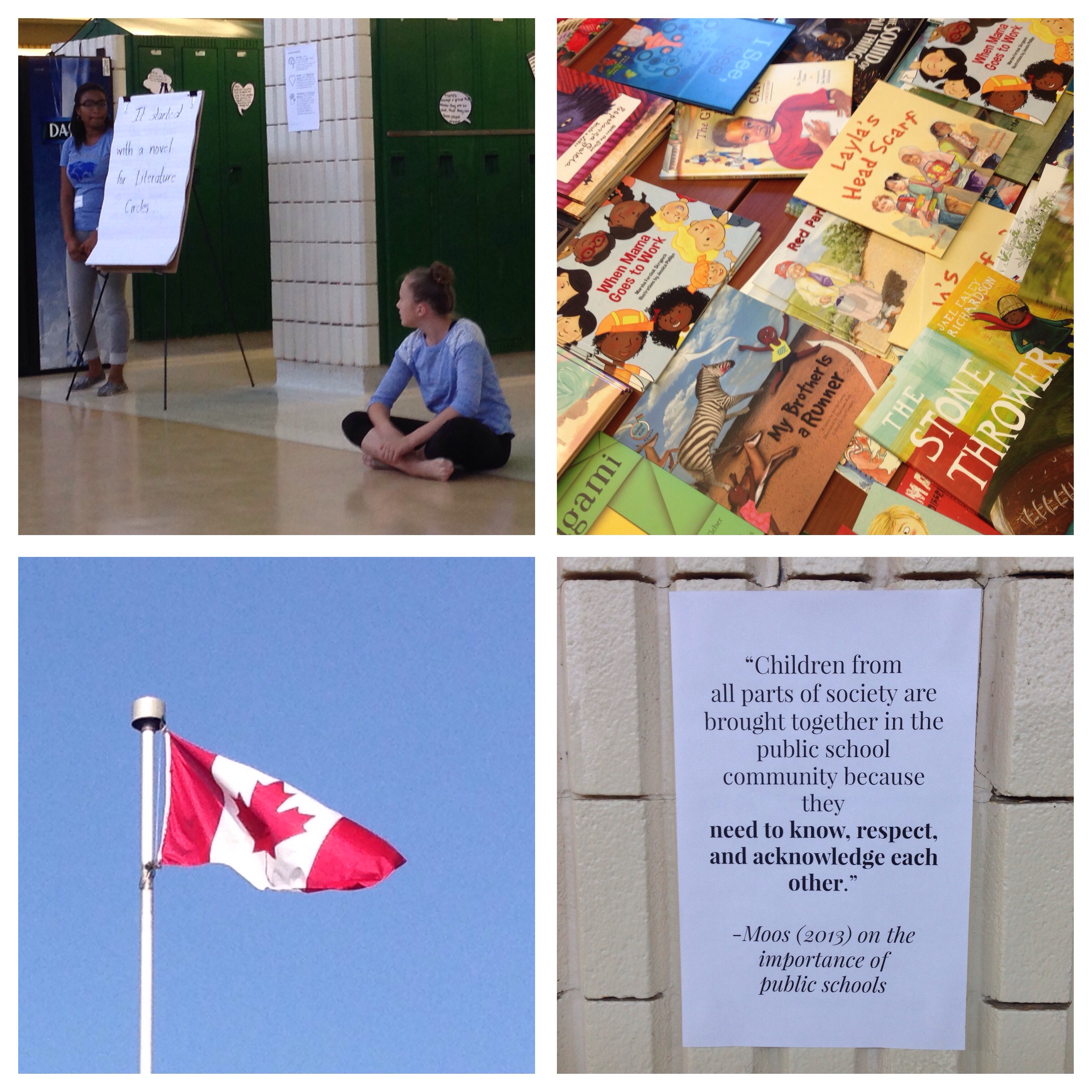
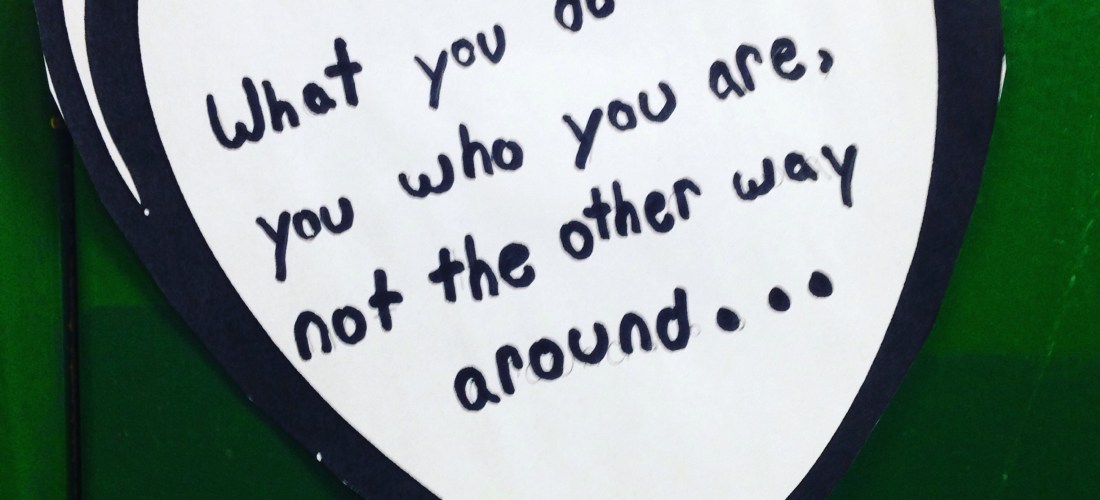
How far we have come. Tables of diverse children’s books, indigenous literature and a real commitment to change. It was so inspiring. Just the motivation we need for the long haul ahead.

How far we have come. Tables of diverse children’s books, indigenous literature and a real commitment to change. It was so inspiring. Just the motivation we need for the long haul ahead.
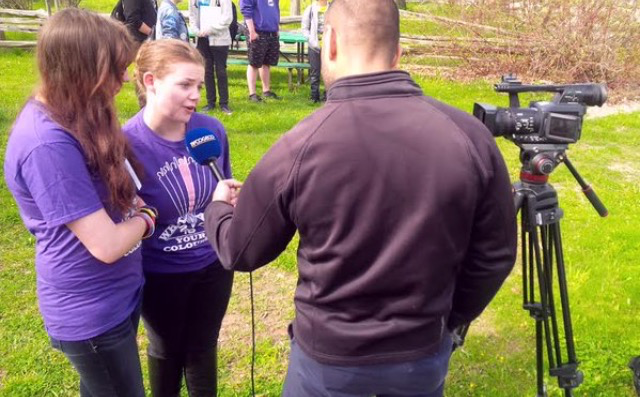
Yesterday was the International Day Against Homophobia, Transphobia and Biphobia!
What is IDAHOT? For 12 years, this day has been celebrated to “draw the attention of policymakers, opinion leaders, social movements, the public and the media to the violence and discrimination experienced by LGBTI people internationally… when LGBTI communities mobilize on a worldwide scale.
The Day represents an annual landmark to draw the attention of decision makers, the media, the public, opinion leaders and local authorities to the alarming situation faced by lesbian, gay, bisexuals, transgender and intersex people and all those who do not conform to majority sexual and gender norms.”
As the IDAHOT site explains, “May 17 is now celebrated in more than 130 countries, including 37 where same-sex acts are illegal, with 1600 events reported from 1280 organizations in 2014. These mobilisations unite millions of people in support of the recognition of human rights for all, irrespective of sexual orientation or gender identity or expression.”
This Is What Inspiration Looks Like:
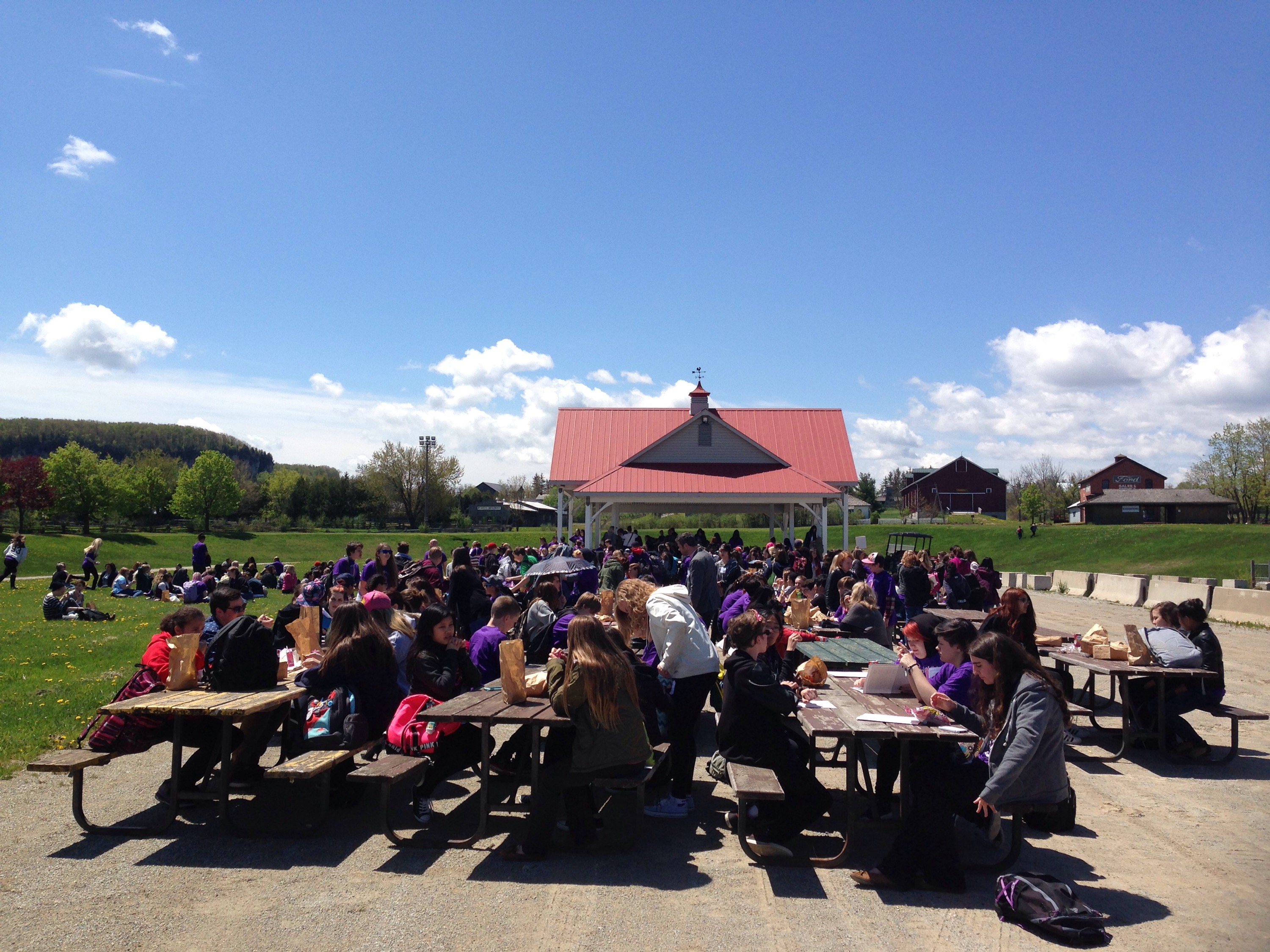
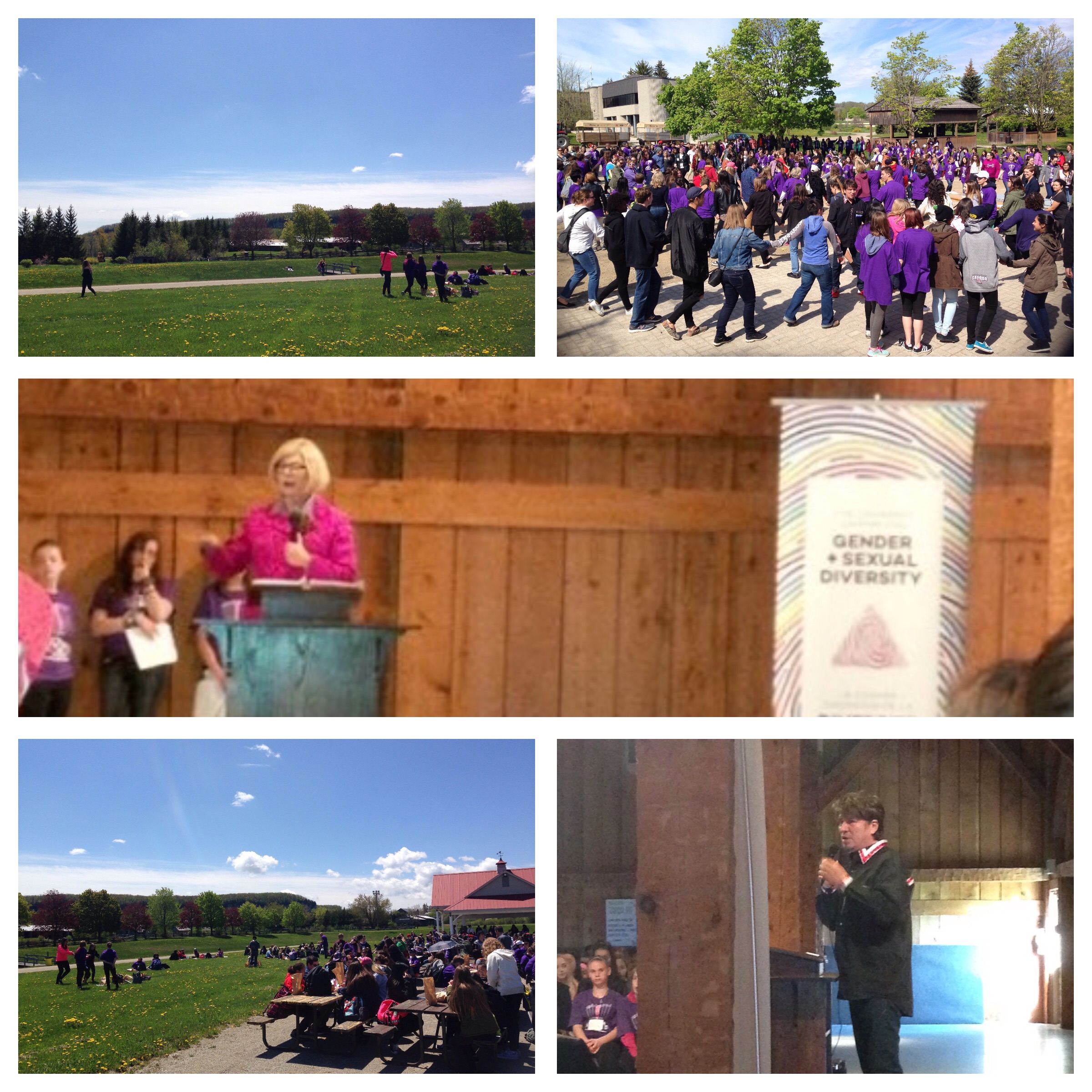
I spent the day with over 300 young leaders and activists from Halton, at a gorgeous farm, listening to speakers and attending workshops.
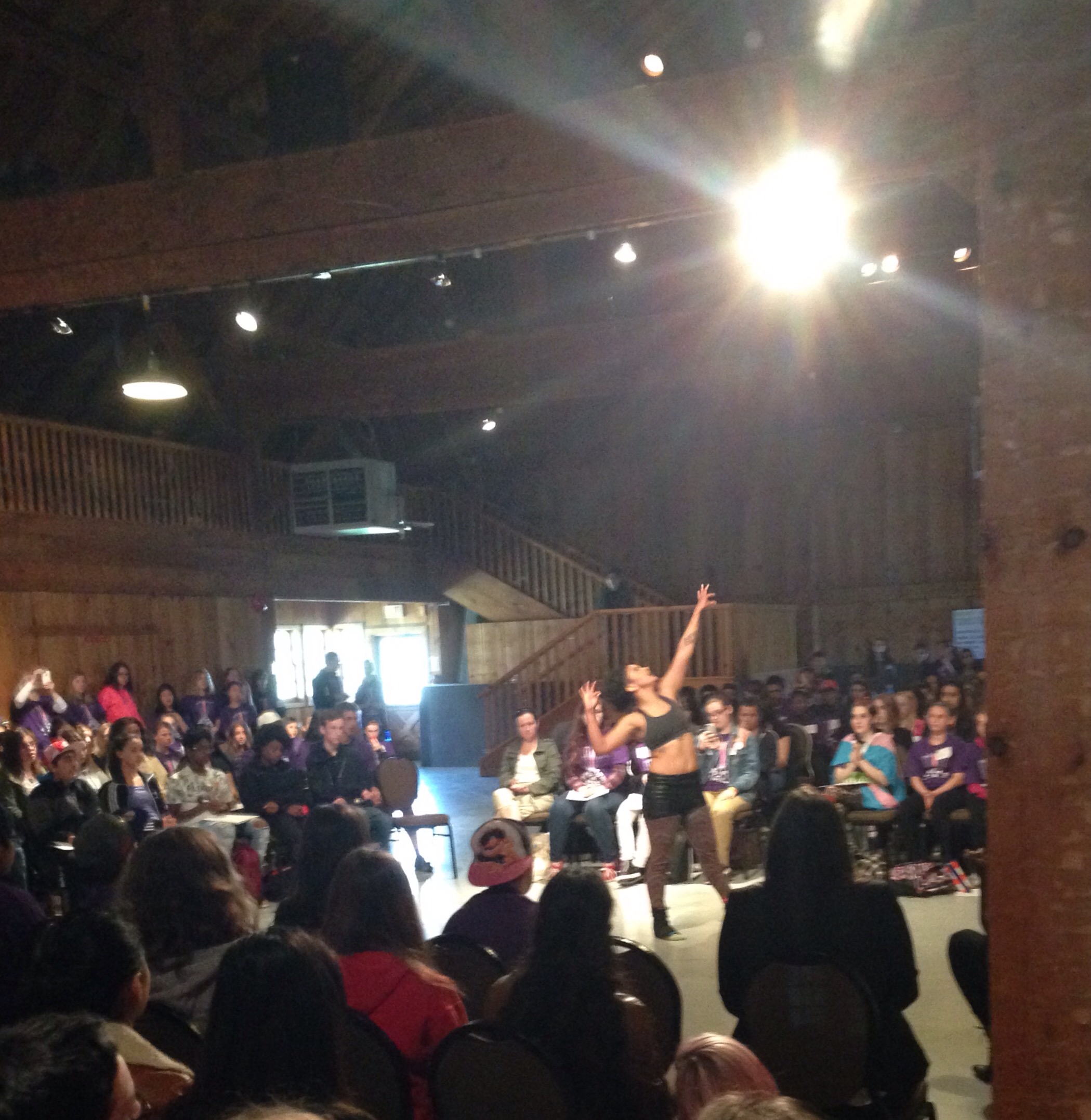
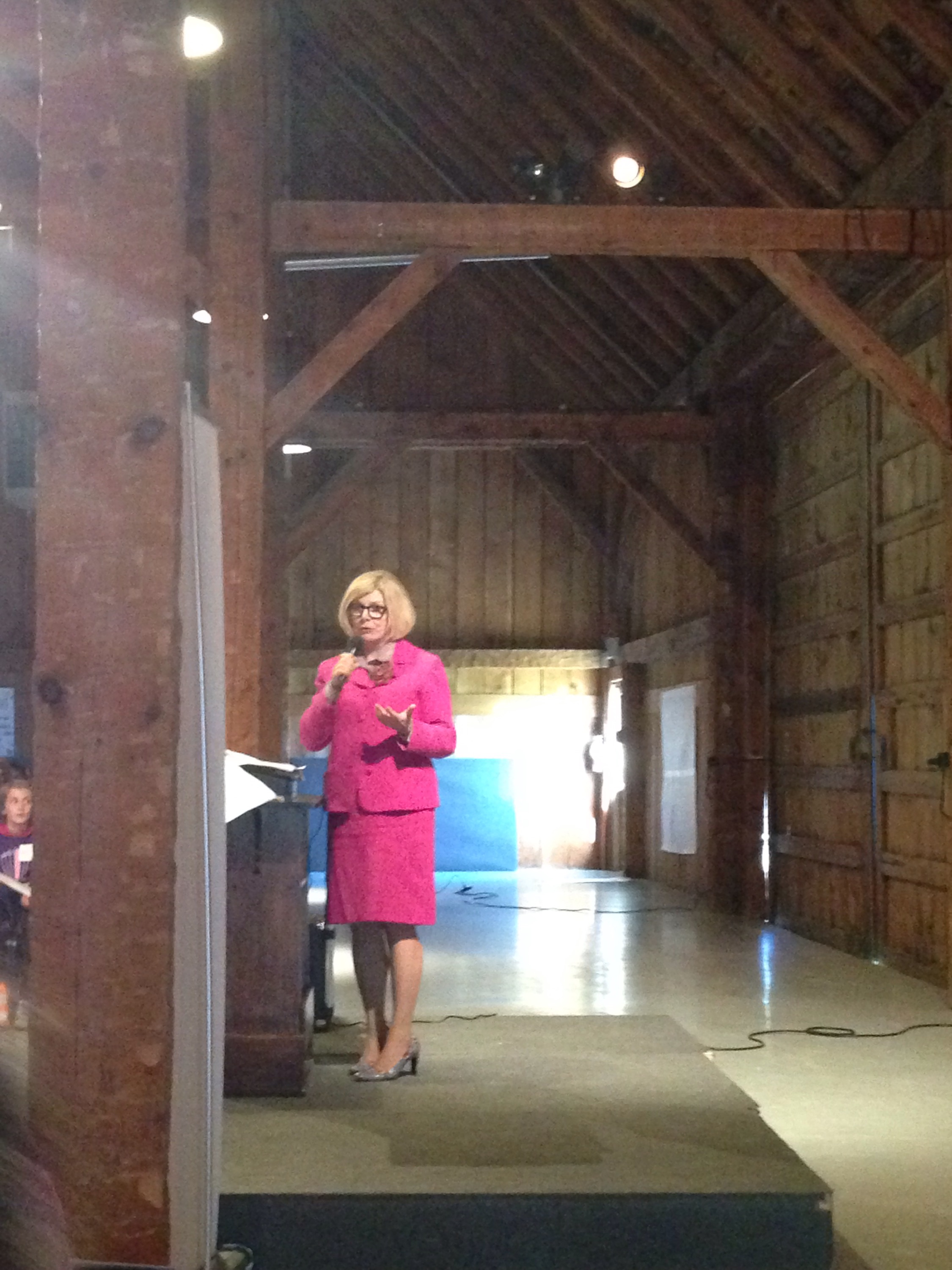
Our day included a First Nations welcome and circle dance, performances by IllNaNa Dance, poet Jenna Tenn-Yuk and keynote delivered by MPP Cheri DiNovo.
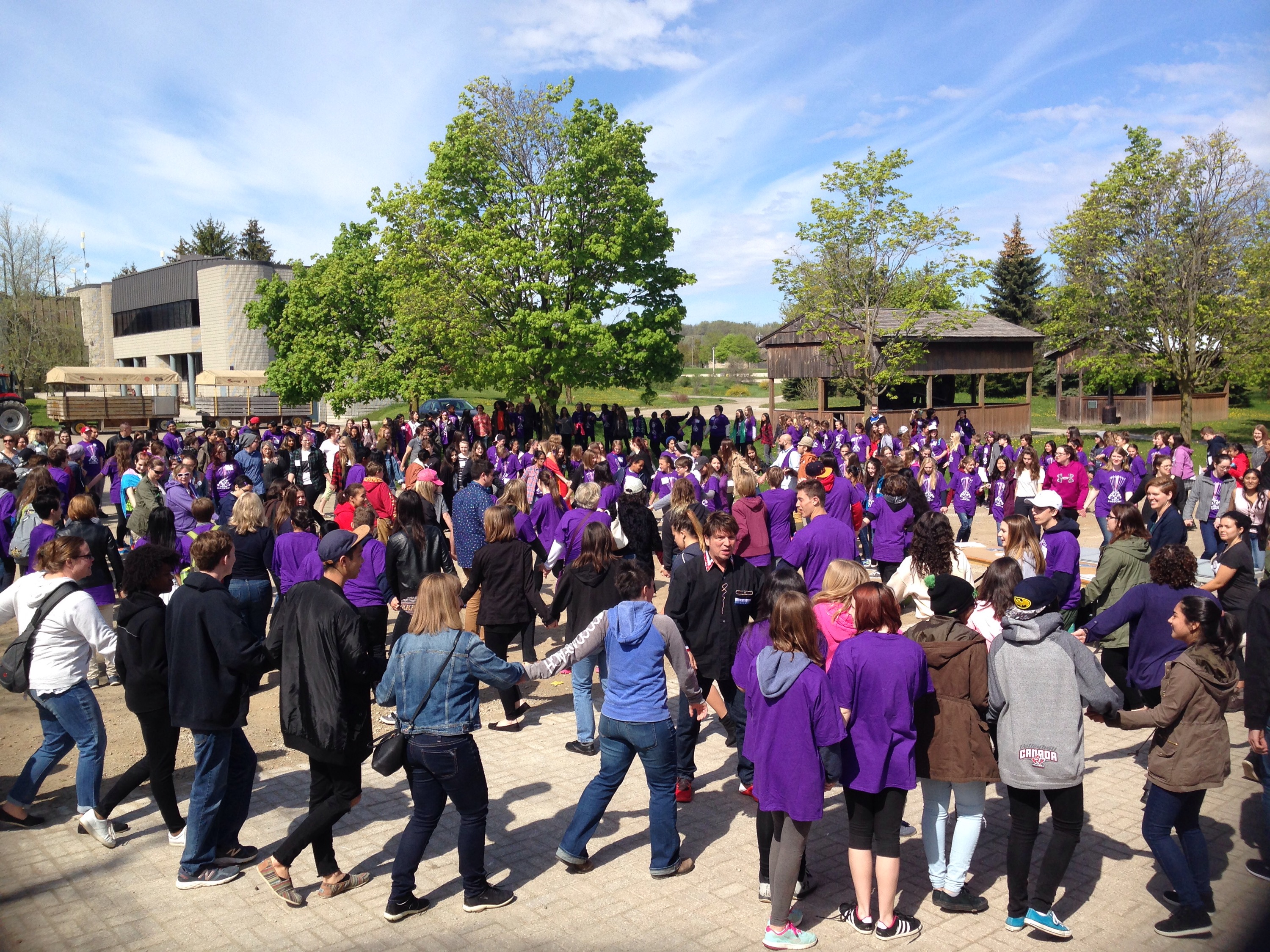
 Getting 300 people to form concentric circles and dance in the morning sunshine was pretty amazing. In this symbolic shape, no one is more important than anyone else. We are all connected. Everyone is equal. Recognizing that we are on colonized land, while we do this anti-oppression work, is a key part of building awareness.
Forget Kanye. I was in the presence of true greatness today, listening to Cheri DiNovo speak. She was so amazing and I, as a lesbian, owe her more than I could have realized before hearing her keynote address. She helped to introduce and get more LGBTQ legislation passed in Canada than anyone in our history. She performed the first gay marriage in Canada. She is spearheading the equal parents bill and trans rights bills. I was particularly touched by her advocacy for lesbian parents who – at this exact moment – don’t have legal rights to their partners’ babies. Even if conceived (of) together… if my wife were in a medical emergency and had carried our baby, I wouldn’t be allowed to leave the hospital with our baby or have legal rights regarding our child. This is horrifying and we need to change it now. This woman exemplifies activism and humility, encouraging youth to be the change – as she closed with a story of her own ironic journey:
As a street-involved, young queer person, she spent nights, at 16 years old, sleeping outside in Toronto’s Queen’s Park… under the same window that she now looks out from in her office as a Member of Provincial Parliament.She went back to school and transformed her life… and subsequently, the lives of so many queer people in Canada.
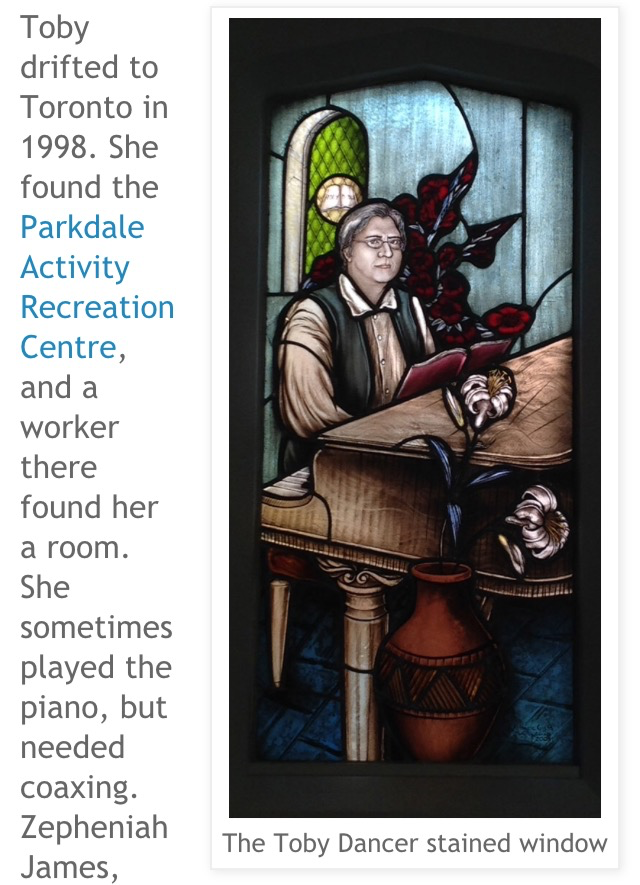
 DiNovo also spoke about the incredible vulnerability of the trans community, citing Toby Dancer and Toby’s Law, which she has been instrumental in passing. This law added ‘gender identity and gender expression’ to our Human Rights Code. Ground breaking! Side note: there is a stained-glass window of Toby in a local church – perhaps the only one of a trans person in a church … in the world!
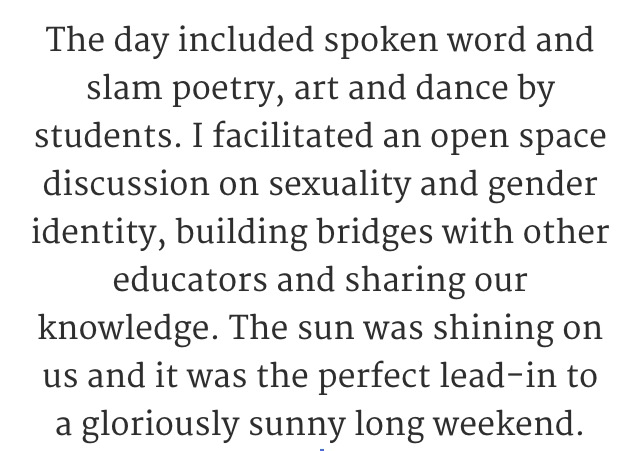
From politics, to short stories, to poetry and dance – the day was as diverse as the room.
When students come together, smiles on their faces, to celebrate activism, learning, leadership and equality, it’s no wonder the sun was shining!
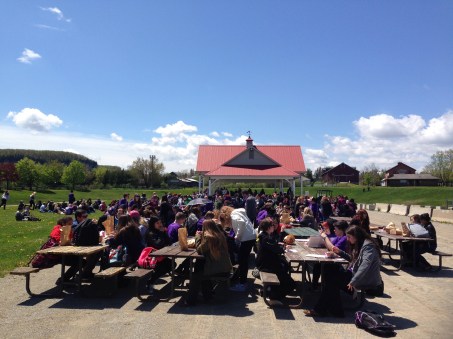
Vegan lunches in the sunshine.
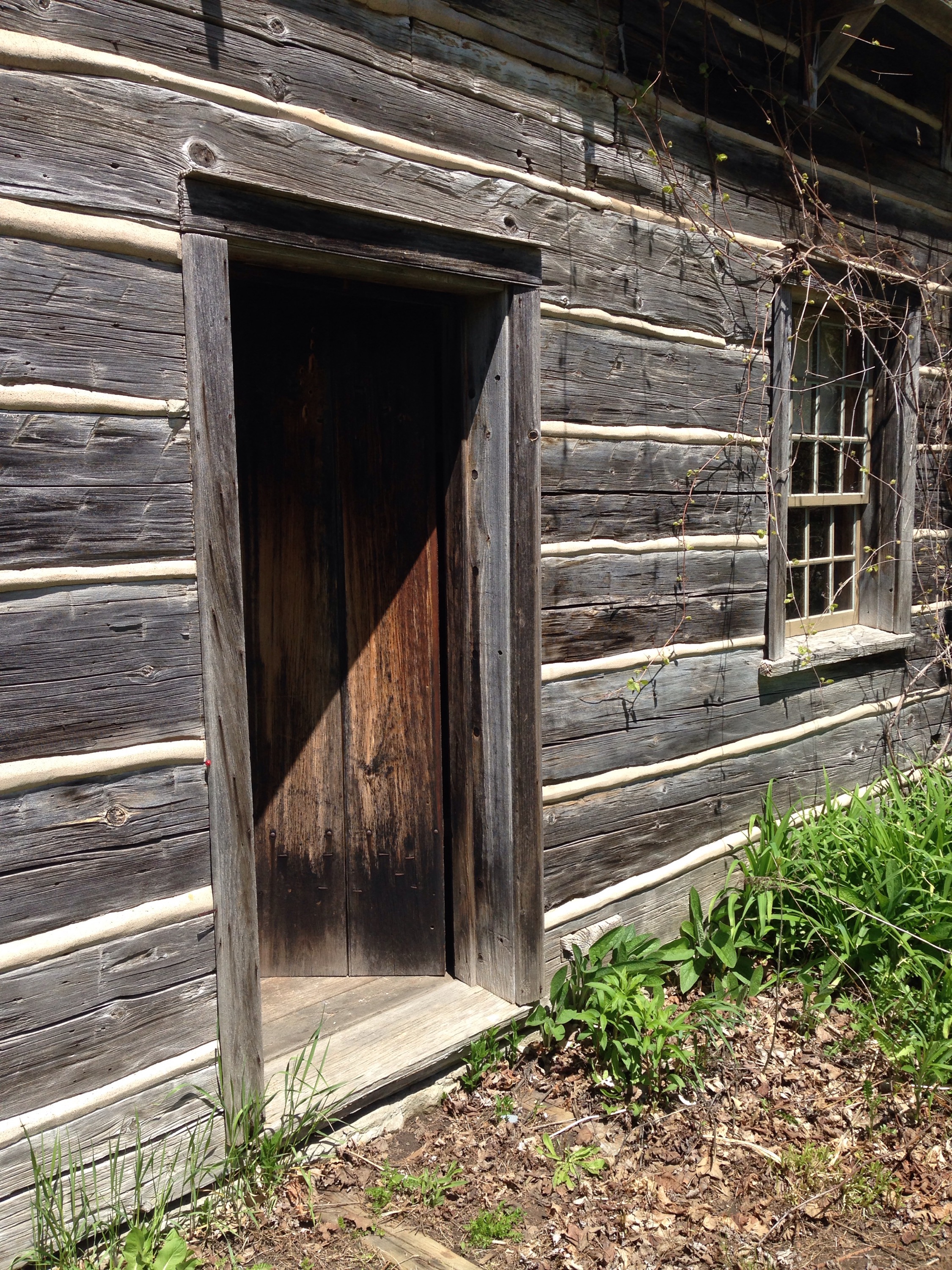
With some irony, the setting was a historic village, with old ‘general stores’ and juxtaposed against the past, we worked to make the future better for future generations.

I’m excited to see what lies ahead, as we venture through these doors, mindful of the past and energized for the long road that stretches before us.

So, this happened:
First.. it must be noted that (in spite of what the occasional typo might suggest…) I’m an English teacher. I usually choose my words pretty carefully. And… this conversation happened in English. And, this happened at work. Speaking to an adult person.
———————-
Him: “It must be my lucky day… I’ve seen you three times today!”
Me: “Well, it’s Friday the Thirteenth, so … I guess that’s ironic.”
Him: “If I hadn’t seen you today again, I’d have to go home and cry…”
Me: “Um… I guess I’ll have to …tell my wife”
Him: “You mean your husband”
Me: (incredulous look) “No. I mean my wife”
Him: “What?”
Me: “I’m gay. I mean my wife”
Him: “Oh, that must be why you don’t have any kids”
Me: “No. That isn’t why. I will have kids. I just don’t have any… yet.”
Him: “Well you don’t look… I mean..”
Me: “Why would I?”
Also… you don’t KNOW me.
He tried to save the whole thing by saying “You have a parade coming up next month”
Yes, yes. I do. Me personally. I have several floats. One is for cats, because I like them. One is for rainbows, because I like colours, generally. One is for naked baton twirlers, because I think that’s pretty skillful (and brave). And I let all kinds of other weirdos join in.
And you’re not invited.
Ps. If this has never happened to you… imagine introducing yourself to someone as “Maria,” and having them correct you.
“Don’t you mean Polly?”
Nope, I’m pretty sure I meant what I said. And why the fuck wouldn’t I know my own name? Or who I’m sleeping with? Or married to?
Do a little better hiding your shock. If I had been speaking another language and misinterpreted or misspoke… then I could understand your confusion if I didn’t match up with your ‘lesbian’s look like X’ picture. But seriously…
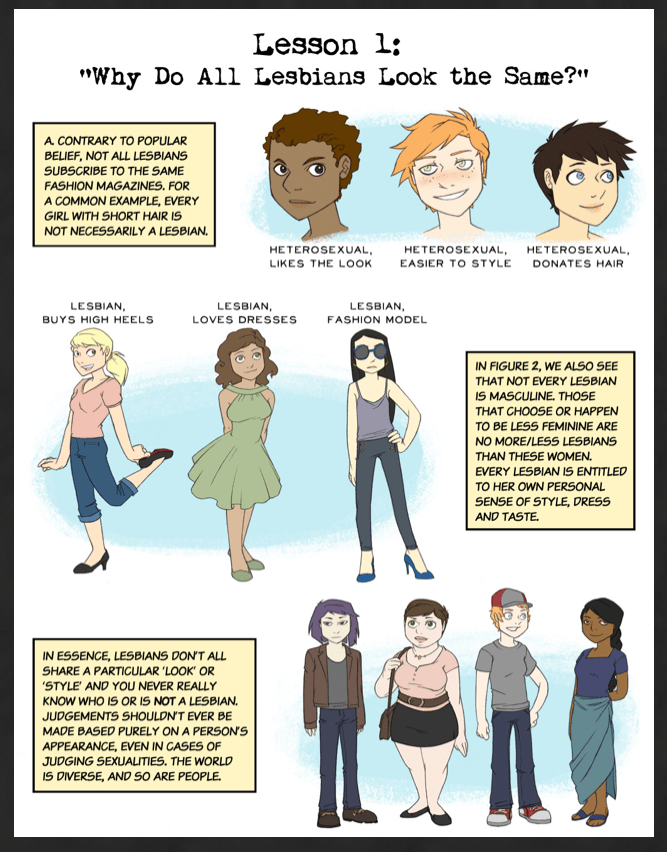
Not only do we not all look the same, we don’t all try to desperately replicate straight gender roles (read: stereotypes) in our gay relationships.
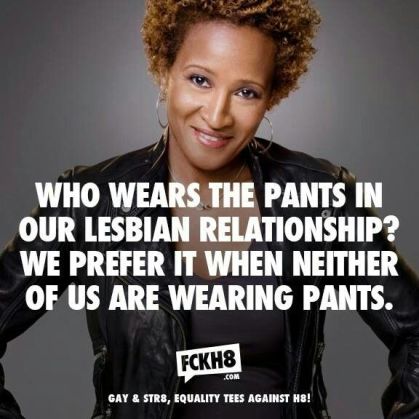
Lastly, we don’t all get up to what you might think. We have diverse jobs, interests, bodies, intellects, languages, traditions… just like regular people. Woah. 
And just because:

I know you think it’s a compliment… but it’s not flattering that you assume all people in my ‘group’ are unattractive. And then praise me, somehow, for not being as ugly as you’d expected. Or whatever you think you’re implying. Why would you be able to tell? Sometimes you can, mostly you can’t. Plus, you don’t know our secret handshake. We’re like unsparkly vampires, with daylight rings, walking among you.
 Would you walk up to a woman and say… “you’re so smart… for a woman” or to a young person and say, “wow, for a teen you hardly steal at all!” Or to a man and say, “you sure do behave like a non-violent non-neanderthal, it’s so pleasantly surprising!” No. You would never say that. We all know someone who fits a stereotype. In order for it to be TRUE, all people of that group would need to adhere to the stereotype. So, yes, sometimes we ring true to the funny, campy image… but never have I accidentally forgotten that I married a woman.
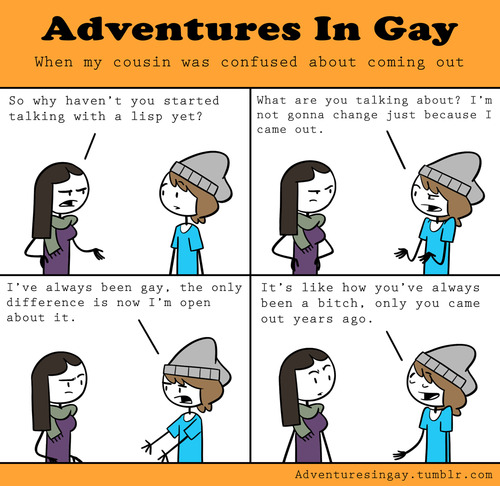
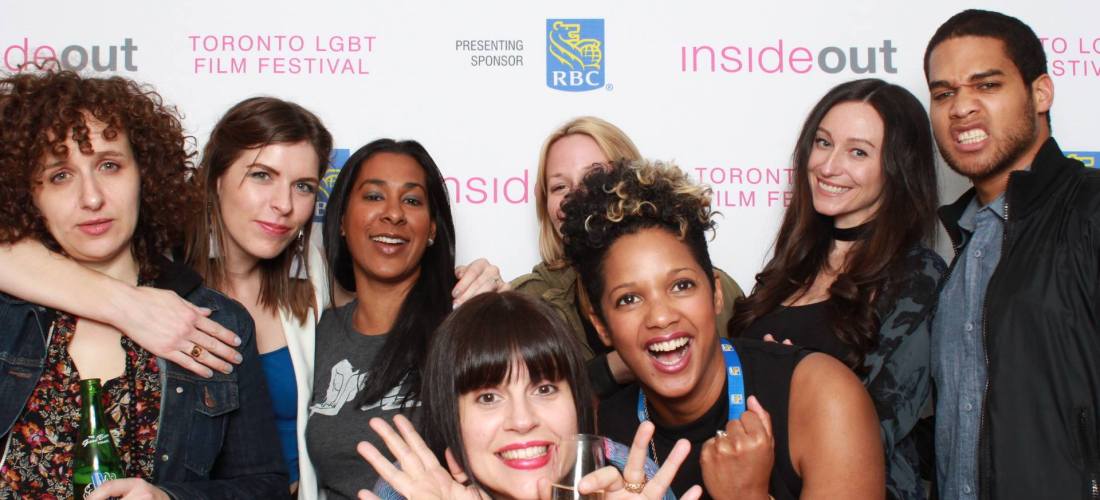
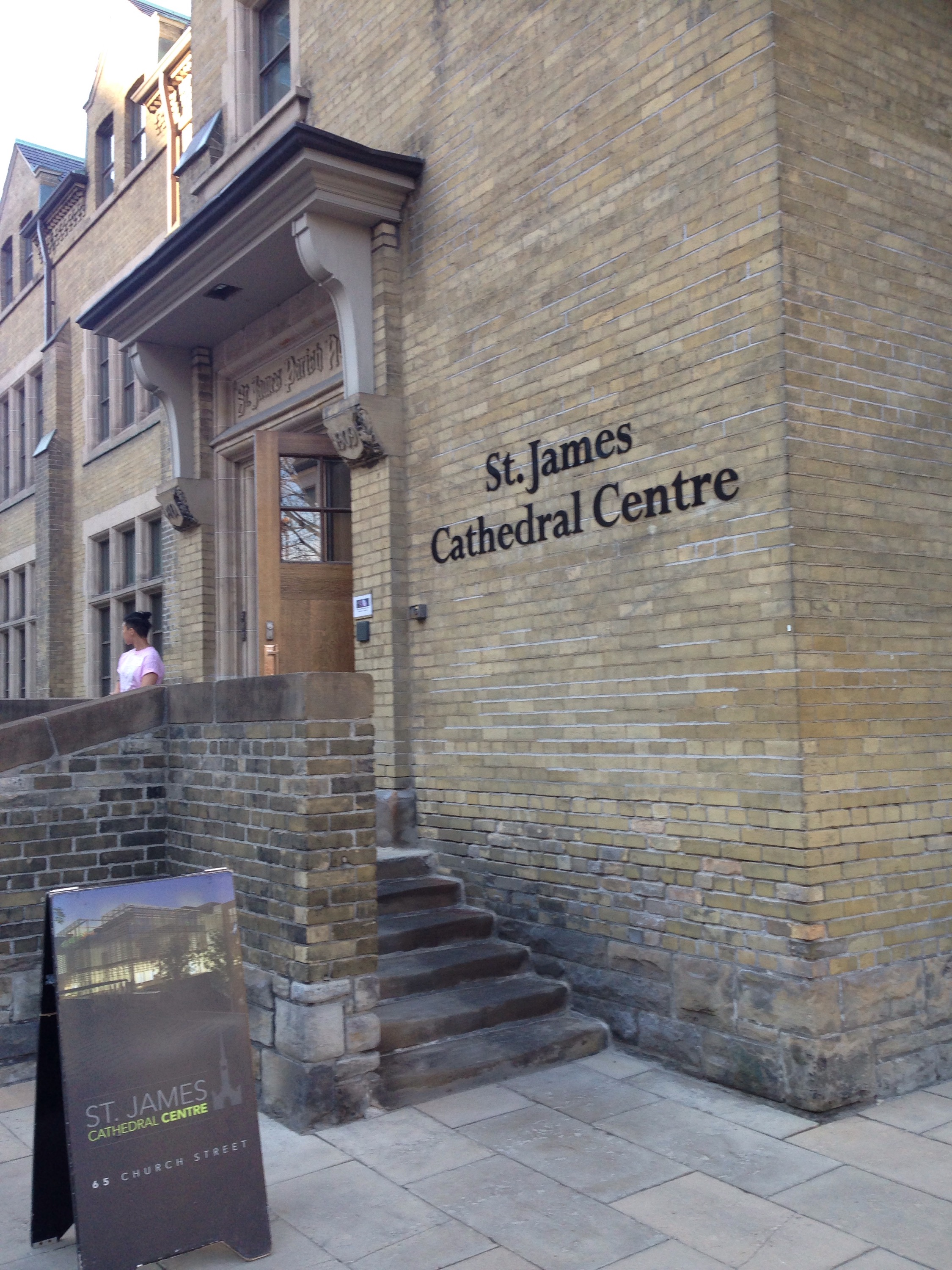
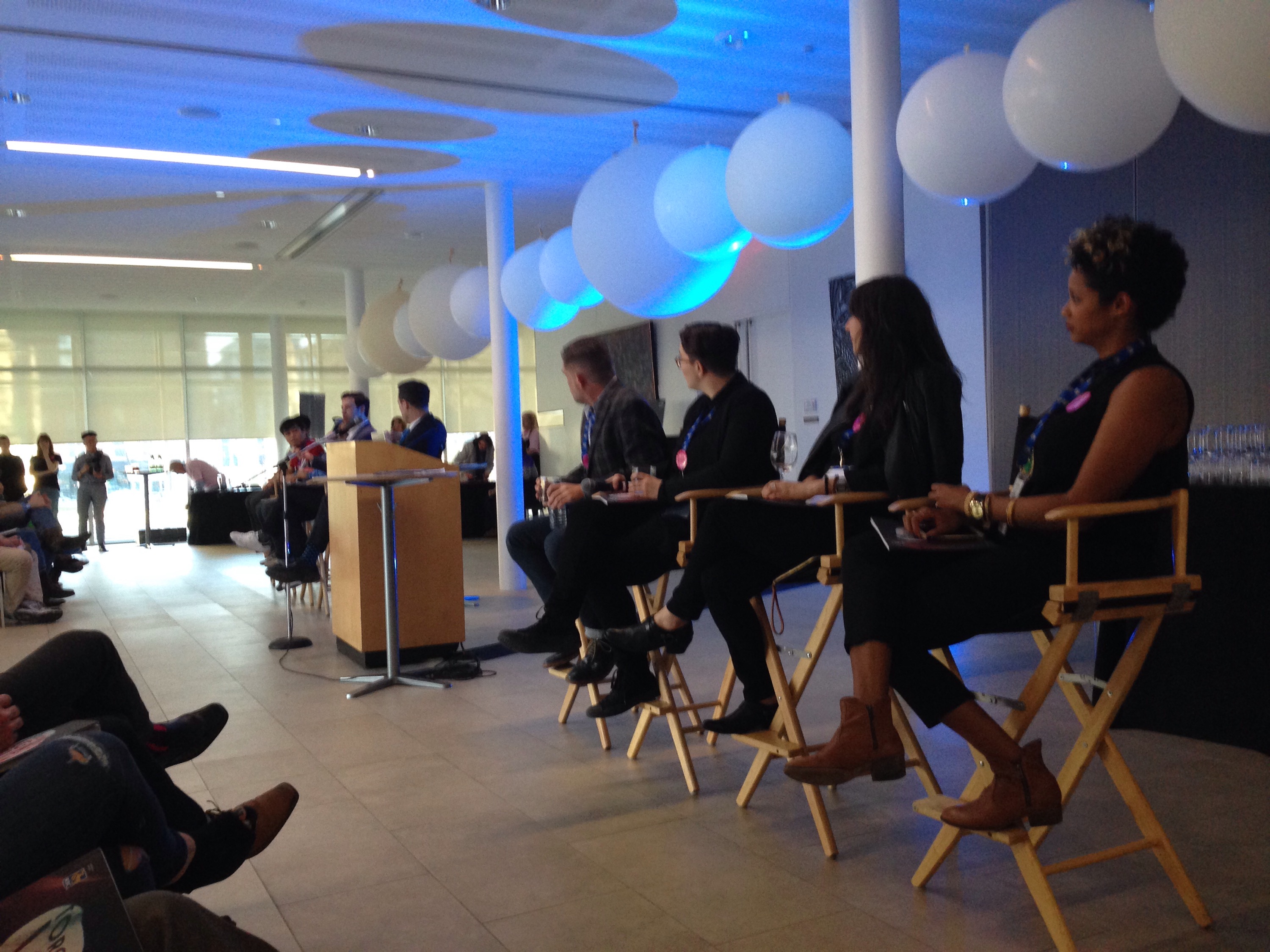
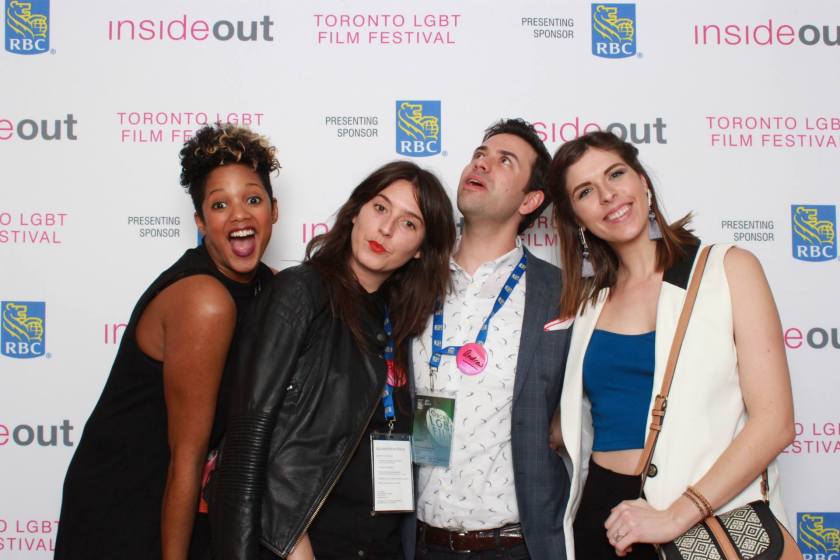
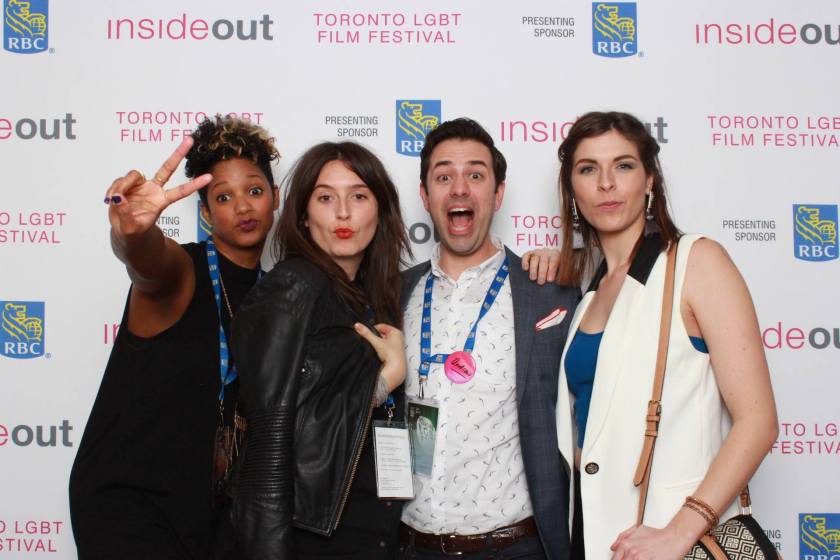
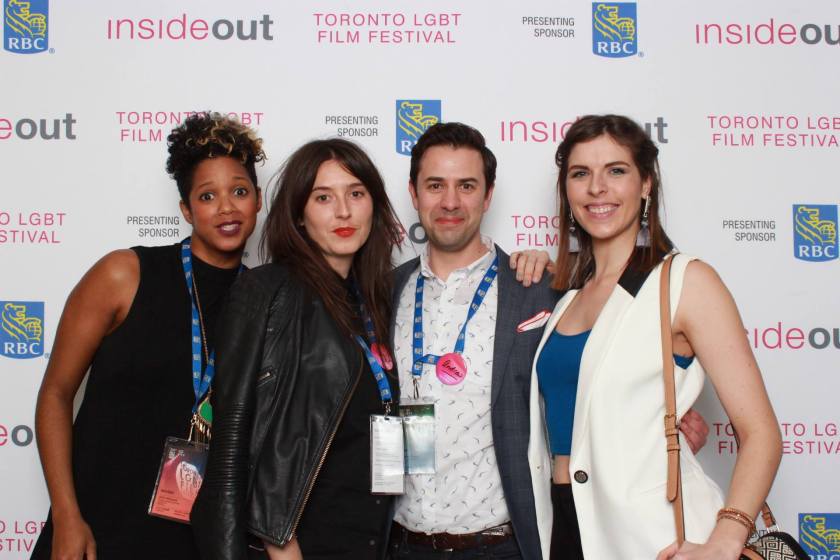
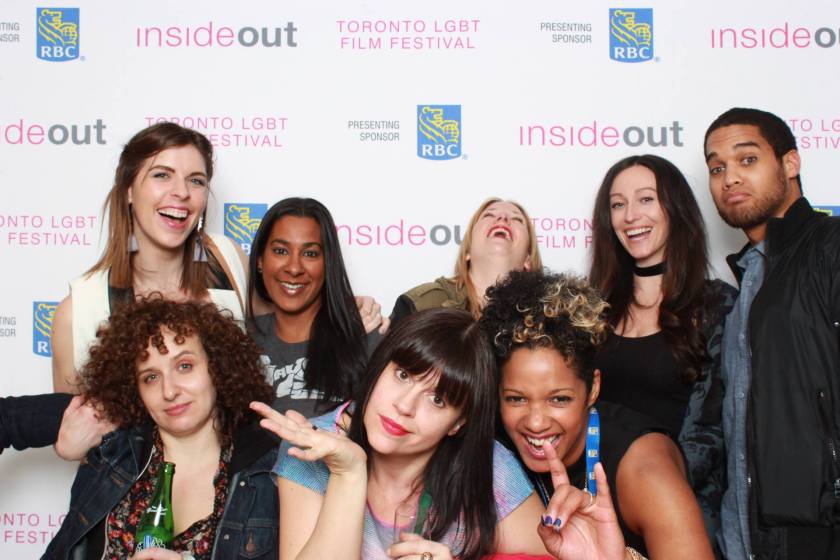
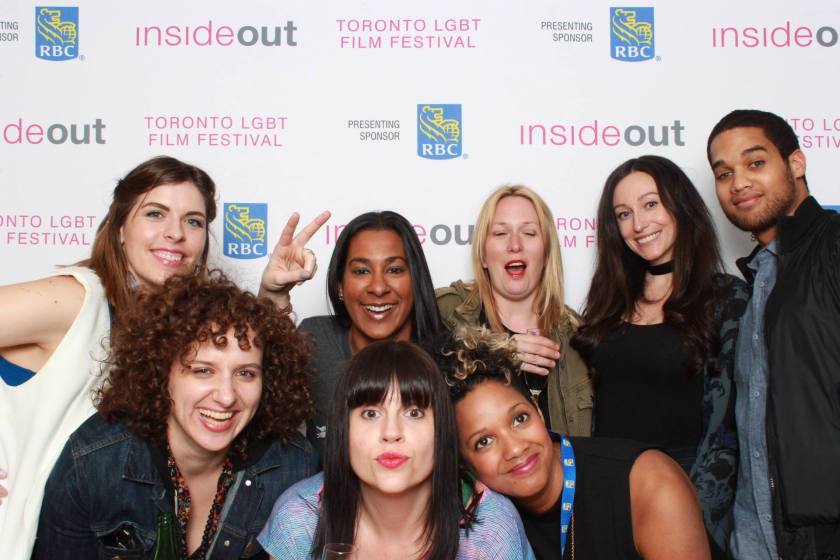
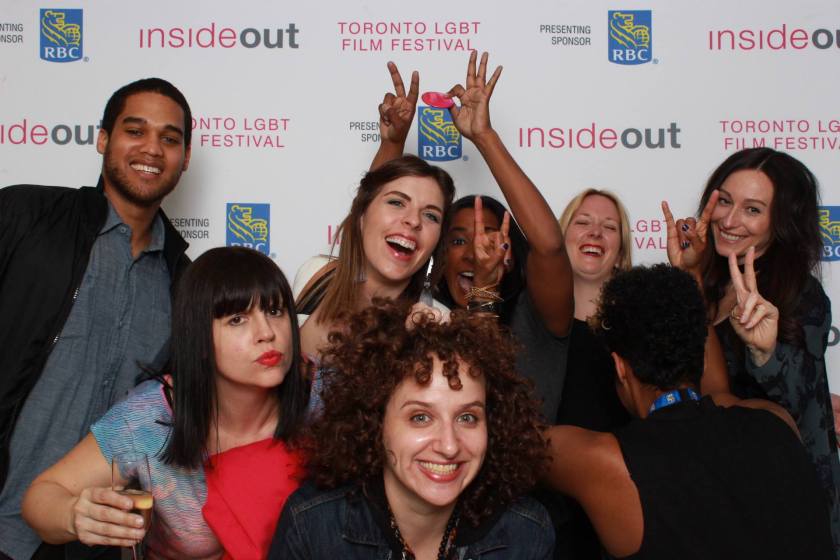
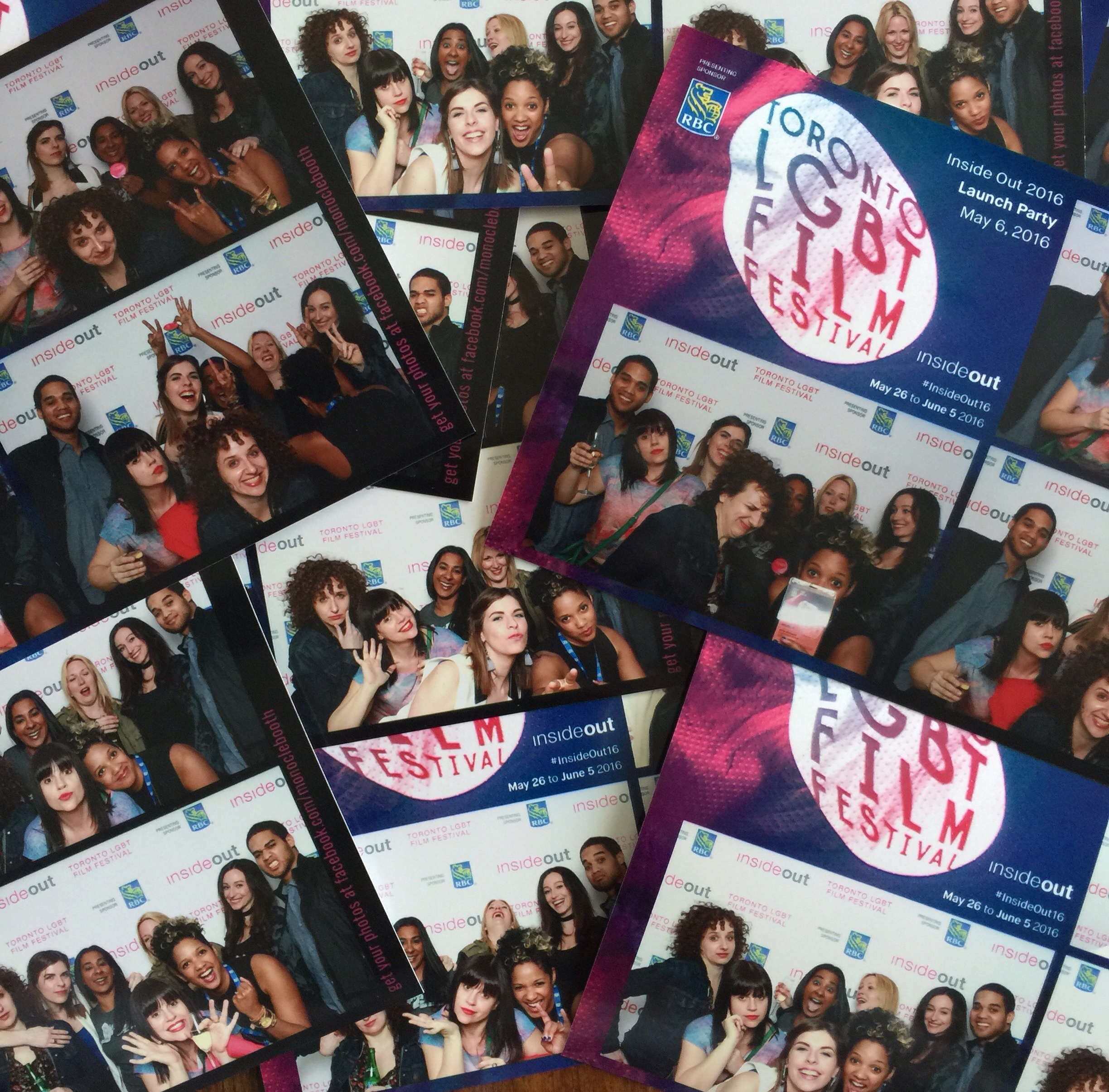 This is what a crew of diverse LGBTQ folks and their allies looks like. Boy, do we have a gay old time. A good time. A blast. At the launch party for Toronto’s Inside Out Film Festival, 2016, the night started with a panel discussion with the jury and key players of the festival. My wife got to sit in the fancy chairs and charmingly answer questions. Hosted at St. James Cathedral, it was a stylish affair.

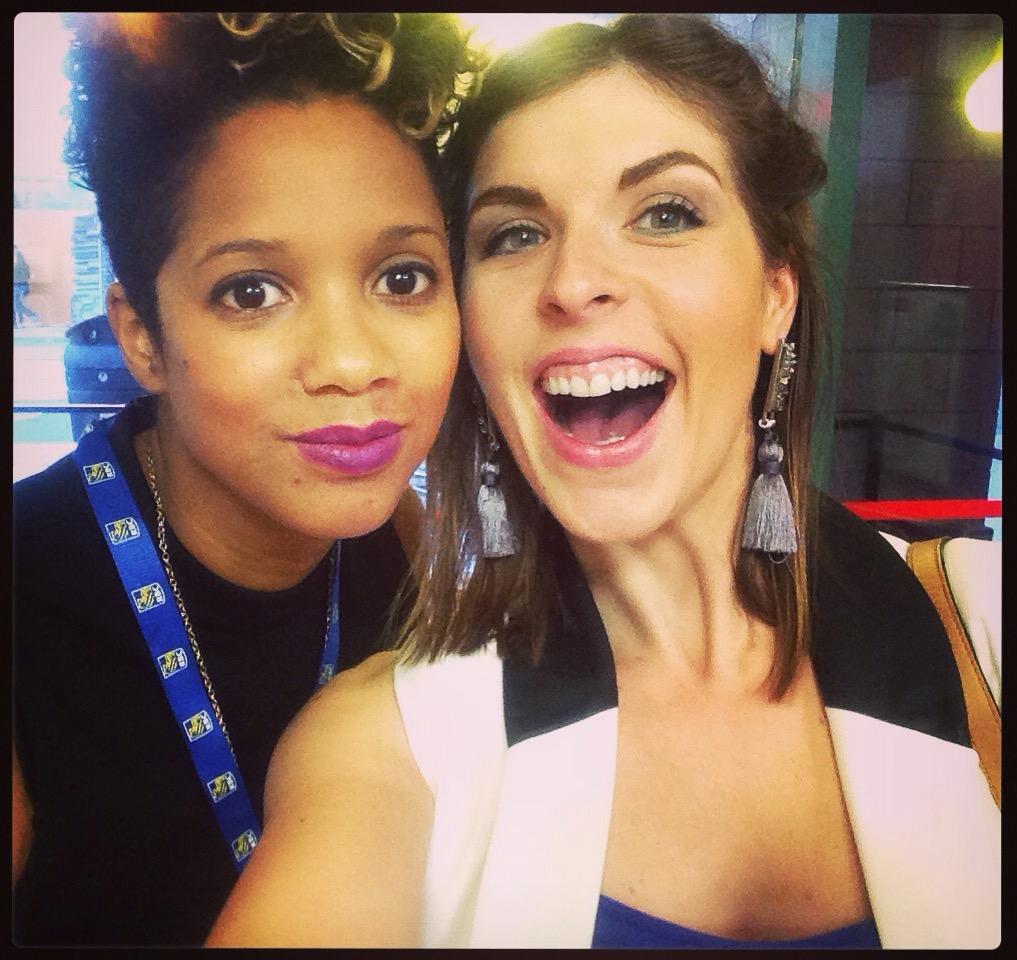
 Looking lovely, as ever, Allia voted for The Same Difference as her ‘must watch’ film. The trailer is available online and this film is pretty powerful; charting the strict gender roles within urban black lesbian culture, it was such an eye-opening film. I was excited, hearing all of their top picks, to flag the films I will be checking out throughout the festival.
 After the panel discussion, the drinks flowed freely and people mingled, taking advantage of the passed hors d’oeuvres, great company and photo booths. As the evening unfolded, we were treated to vogue-ing, a selection of djs and dancing late into the night.
Check out the silliness of our photo booth pics (by Monocle Booth); can you guess which are from early in the festivities and which ones are from later?
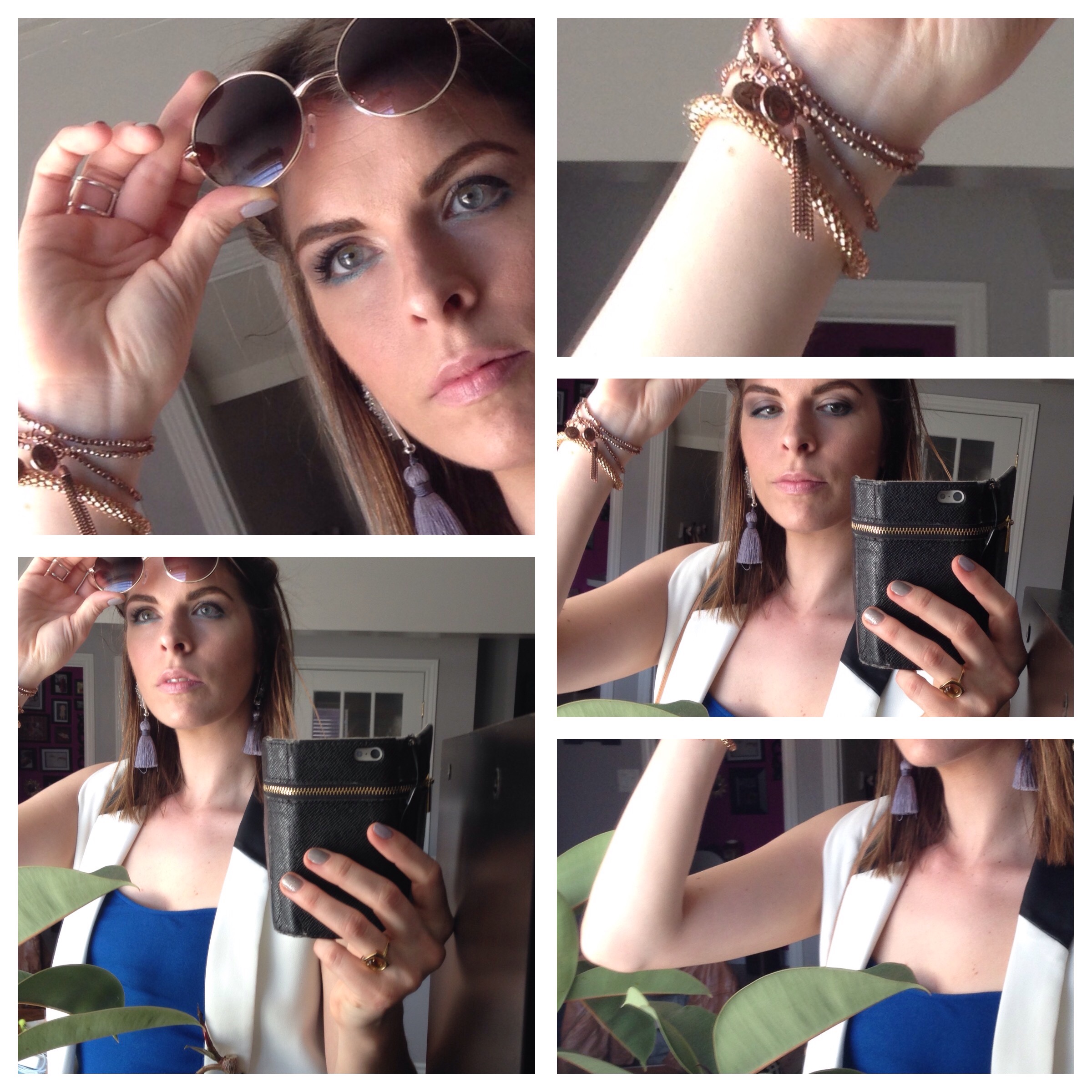
And what does one wear? A mix of cheap and cheerful separates that blur masculine and feminine. It’s almost laughable how cheap this outfit was.
 All in all, it was a blast and I cannot wait to see the full line-up of LGBTQ films!

The Canadian Blood Services’ page asks: “Pop Quiz! What type of blood is the universal donor and is always in high demand?”
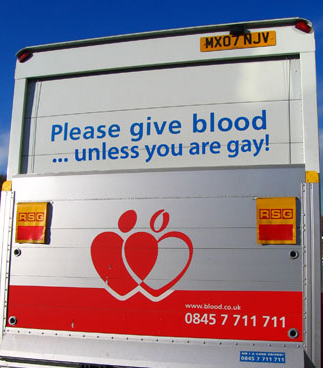
Answer: O negative. That’s me. Too bad I won’t be giving blood until gay men are removed from the banned donor list. This policy is in need of a serious update. We’ve learned so much since the ‘gay panic’ of the 80s. Haven’t we? This continues to promote negative stereotypes about the LGBTQ community. Saying you’re not discriminating against a sexual orientation (just men who have slept with men in the last five years) is the biggest equity dodge I’ve heard lately.
Sent an email, via a colleague, to the Blood Services Rep before they do a drive at my school. Still the same ridiculously evasive answer:
The rep wrote, “[I believe she] is referring to the Canadian Blood Services MSM Policy (men who have sex with men in the past 5 years are not eligible to donate). This policy does not discriminate against sexual orientation, rather ensures we have a safe blood supply for the vulnerable patients we serve.
All of this information can be accessed at http://www.blood.ca. ”
“Blood. It’s in you to give.”
Guess what? It IS in me to give. And I care about this. I want to give; but what I also give a crap about is basic, non-discriminatory policies in a country like Canada – that self-identifies as a global leader in equity. Why are we preventing healthy, generous men (who happen to be gay) from helping to save a life? Because we use words like “vulnerable” as scare tactics to insinuate that gay blood belongs to promiscuous, unprotected, reckless … people… who are just as likely as anyone who doesn’t know every detail of their past/partners/partners’ past as anyone else.

The rep’s reply is the same ‘we aren’t discriminating’ crap that they’ve always offered. It rests squarely on the assumption that gay sex, which implicates someone on the basis of “orientation” (unless they are celibate) is somehow dirtier or more ‘risky’, therefore likely to put the ‘vulnerable’ blood recipients at more risk than other people who have sex without condoms or safer sexual practices. * Just so we’re clear. You CAN be gay and donate, as long as you haven’t had sex with a man in 5 years. If, on the other hand, you are a gay man who isn’t actively refraining from having a sex life, your orientation DOES preclude you from donating. So their ‘orientation’ loophole is a gaping black hole of carefully worded b.s.
If someone (anyone) is sleeping with anyone, they may be at risk of having an STI. Yes, gay men in the 80s were hit hard by HIV/AIDS (which we well know) and as a result, their population/community actually tends to be MORE informed and often safer, as a result, than your average sexually active person. But I dare you to find the latest stats on the highest rates of STI transmission. I’m going to bet (I would actually put real money on this) that it’s not gay men who are contracting the most new STIs. So, let’s not be naive (or a bigot): essentially, every person who doesn’t know every detail of every partner’s past, every monogamous partner who has unknowingly been cheated on, every one night stand, every broken condom, or forgotten one, makes someone just as likely to be ‘unsafe’ – sexual orientation aside.
I’m really disappointed by the answer I got. Because I thought our new Prime Minister, Mr. Trudeau, had JUST issued directives to help end this policy. There is even a link to the Petition to end this ban.
Maybe our GSA members will want to protest the blood drive. Just kidding. Sort of. But I’m glad I asked. Never a fun question; always an interesting answer.
As a final thought: When this policy does end, I’ll throw a vampire-themed party and let them pump all my veins to within an inch of my life.
#CanadianBloodServices(used to)suck
#bloodbandiscrimination #canadianbloodservice #equityplease
For more on this… check out the ever-reliable wikipedia Here
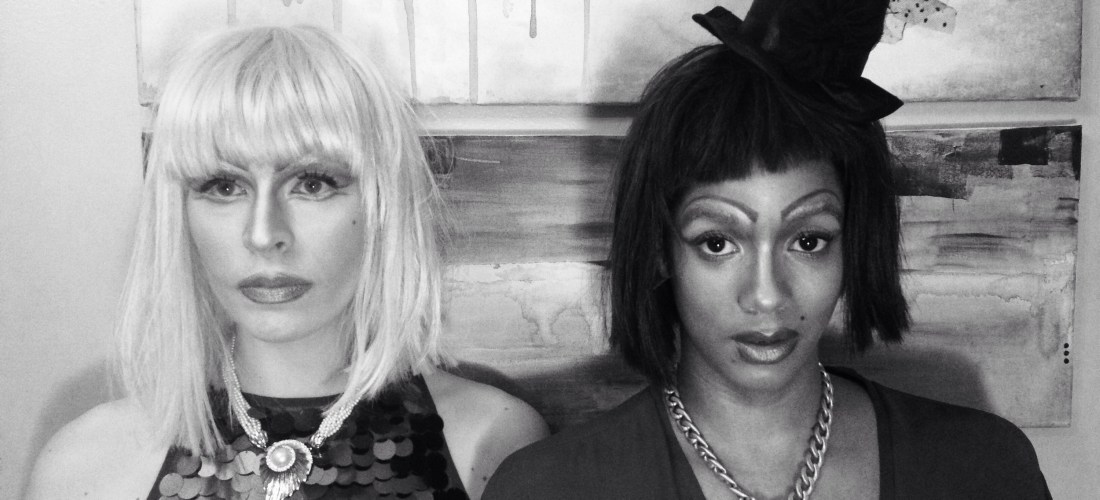
For New Year’s Eve, 2016, we pulled out all the stops and tried our hand at drag makeovers. You what? Yes. We did. And we have the video to prove it. But before all that, it’s important to give a bit of context, a dash of history and a disclaimer. As my previous entry alludes, I’m all about respectful emulation, not mockery. And don’t even get me started on cultural appropriation, privilege and oppression. Heavy, right? Don’t worry, I lighten up shortly.
I’m not a straight man, dressing as a _________ (insert heterocentric, homophobic, offensive term) and laughing at my own cleverness for putting on a costume and pretending, at the expense of that marginalized identity, that I’m hilarious and know what it means to be part of a disenfranchised, minority (if that even occurs to people who culturally appropriate without considering the legacy of oppression).
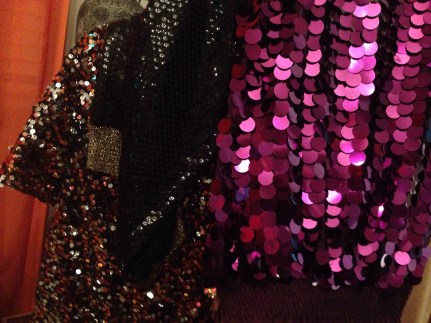
I am a queer woman, in an interracial marriage, who has been living out loud and proud, since I came out in the early years of high school. I love performance, sequins and makeup. And I love a challenge. I am in perpetual awe of the talent, pure and true ‘hard work’ and imagination of queens and kings, who help us to see ourselves anew, who entertain, push our boundaries and make us believe in magic. And make it look so effortless. Let me tell you: it is not easy. But it sure is fun!
Check out our video, A Dragged Out New Year’s Eve, for just a taste of the hijinx we got up to, and read on for links to other people, doing it well and doing it better than we ever could.
Drag. A parody of a parody of the feminine. Very meta… Drag is an art form that I’ve always loved. Judith Butler (gender theorist) asks, if a man can portray the qualities of stereotypical femininity, making a copy of a copy with no original, how real is gender? She states, “All gender is performance.” Thus, drag problematizes the whole idea that there is an original at all, or anything inherently natural woman-ness. As a queer gal, I’ve always been interested in binaries – their limits, perceived, but fake, shifting, but seemingly rigid – especially in the collective mind and pop culture.
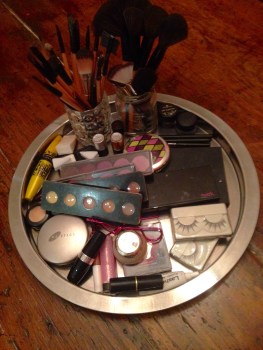
A whole tray of supplies… and we still, clearly, didn’t have all the essential tools.
Many fabulous folks are exploring these ideas. Kate Bornstein , and her text Gender Outlaw, completely opened my eyes to nuances of gender that I’d never considered. My experience was limited to gender bias, misogyny in the queer community and my own issues associated with being labeled ‘femme’ – feeling invisible in my LGBTQ world. Judith Butler, of course, is a pioneer in the field of gender studies. Documentaries like Paris Is Burning and Drag Becomes Him, featuring Jinx Monsoon, explore past and contemporary icons of drag culture. Recently, the Youtube channel Broadly featured “Can’t Drag Us Down: London’s Female Queens”- a short piece about women, “lady queens” that raises issues about gender exclusion within the male-dominated realm of female impersonation. So much to think about. The video description reads:
“Drag has been a gay man’s art for decades, but women can be queens, too. While women have always existed in the drag scene as the subject of imitation, in London, female-identified performers are taking center stage and performing in exaggerated tropes of femininity to upend conventional notions of gender.
Lady queens, however, are not yet fully accepted in the drag community; some gay men in the scene question whether those who are female-identified have the right to compete and perform next to their male counterparts. … redefining its heritage, and proving that drag is a genderless art form.”
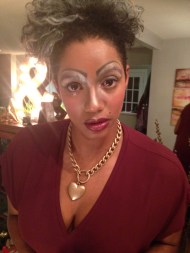
Here is a photo-journey of our night, beginning (of course) with before and after shots. Cheers to a new year, full of fun and endless possibilities.
BEFORE

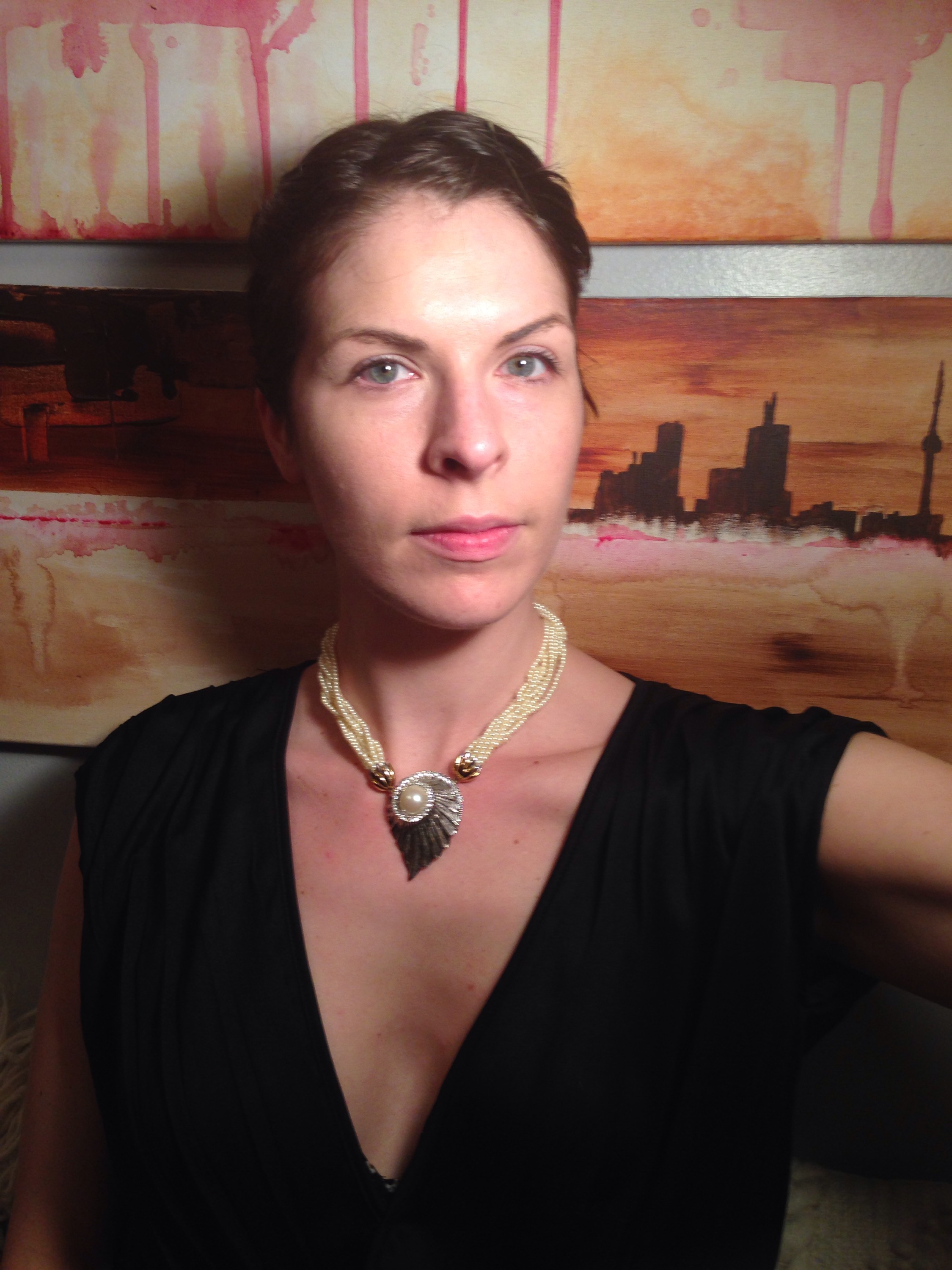
AFTER

———————————————————-
And the night just got better from there…

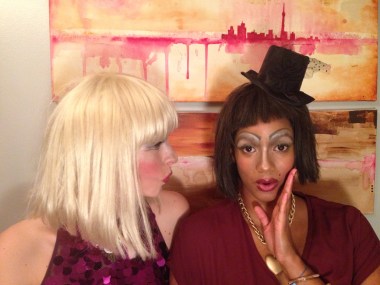
We sent a photo to friends as the ball dropped. “Who is this?” some people asked. This look reminds me of Wilma Flintstone…meets Lucy. My mom always said I was dramatic.
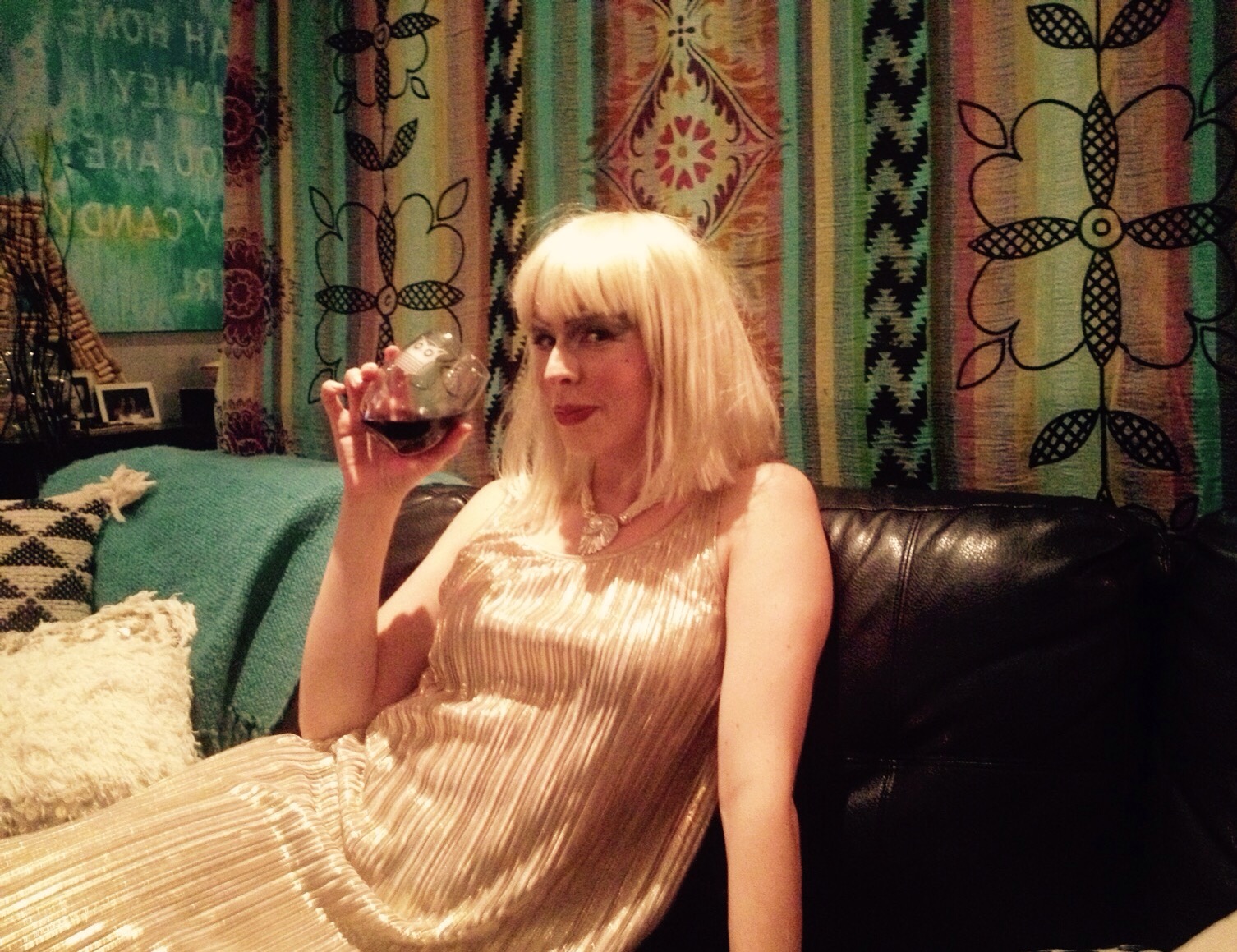
I just woke up like this. We enjoyed Pink Palomas and mulled wine, cupcakes and a cheese platter. We are all about balance. Try these!


Fuel for our fun-filled evening. Inspired by… the ingredients we had in the house.


Let’s not forget the arsenal of fake hair that was on-hand… and which became a very popular place for our cats to try and make a cozy spot for themselves.

We each tried on a few different looks.

Laughing at yourself is highly recommended. Her name: Angel Baby.

Meet Ivanna Trink. Sometimes she likes to pretend she’s a spy. She likes to change up her look.
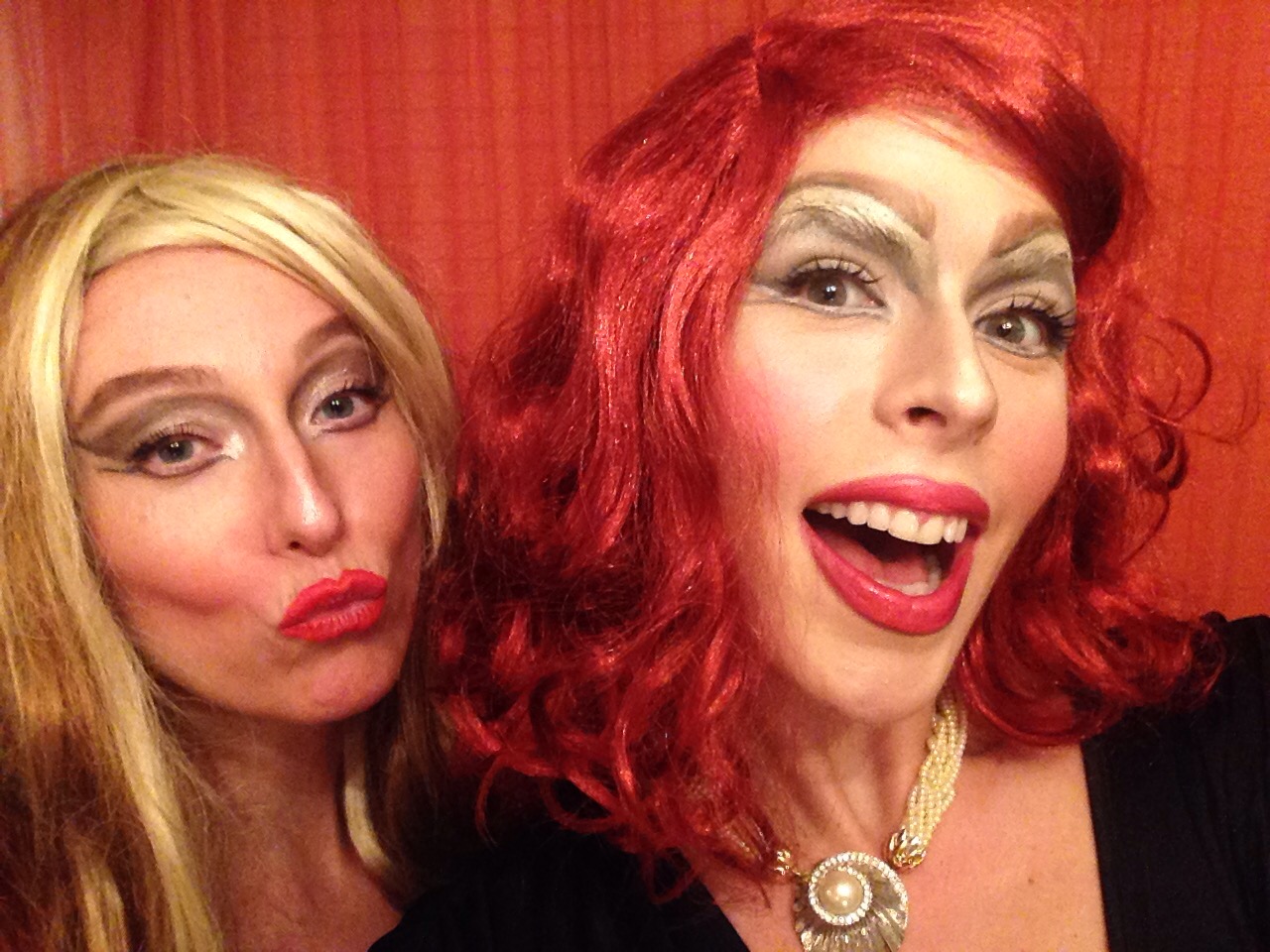
Besties? Felicia Fierce and Ivanna Trink. We had a whole whack of wigs to choose from. And sparkly outfits.
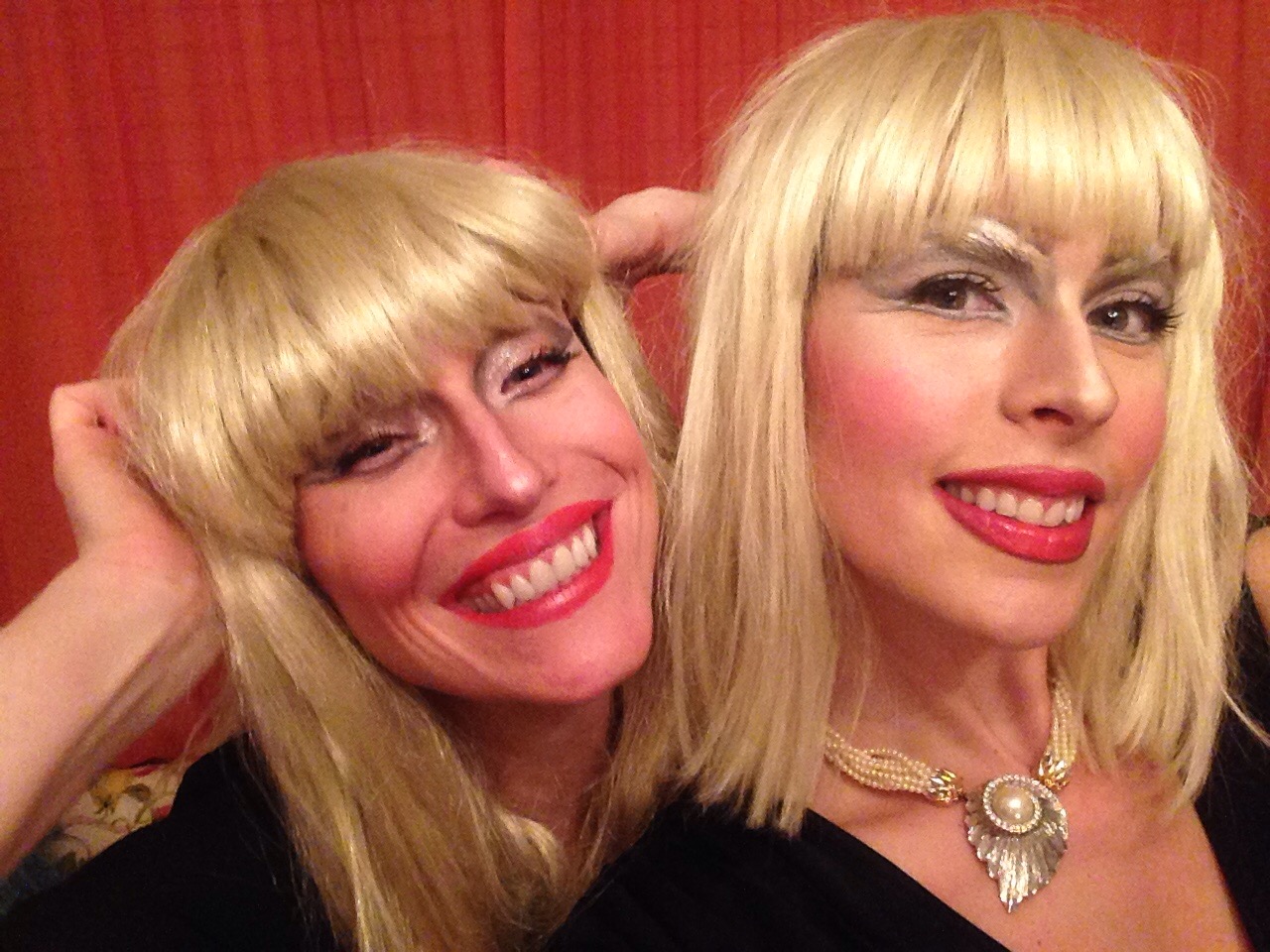
Correspondingly, we had a gay old time.
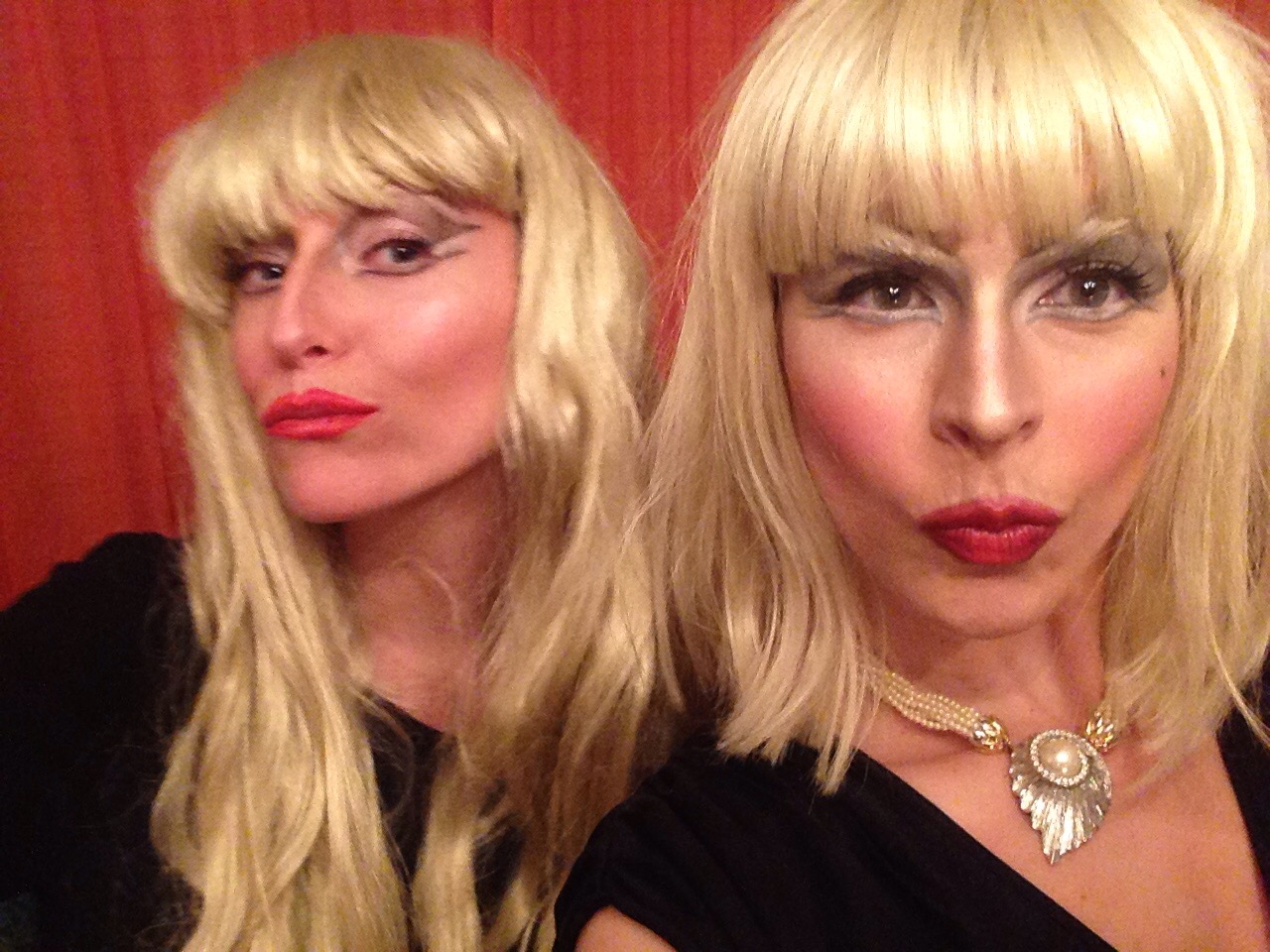
I hear duck-face is ‘out’, but nobody tells this bitch what to do.
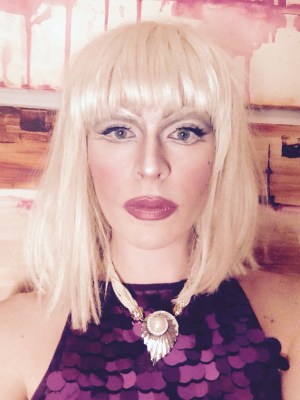
Regular makeup sometimes gets lost in translation in a photograph. Apparently the best way to prep for a really cool filter application is to put a thousand pounds of makeup on your face.
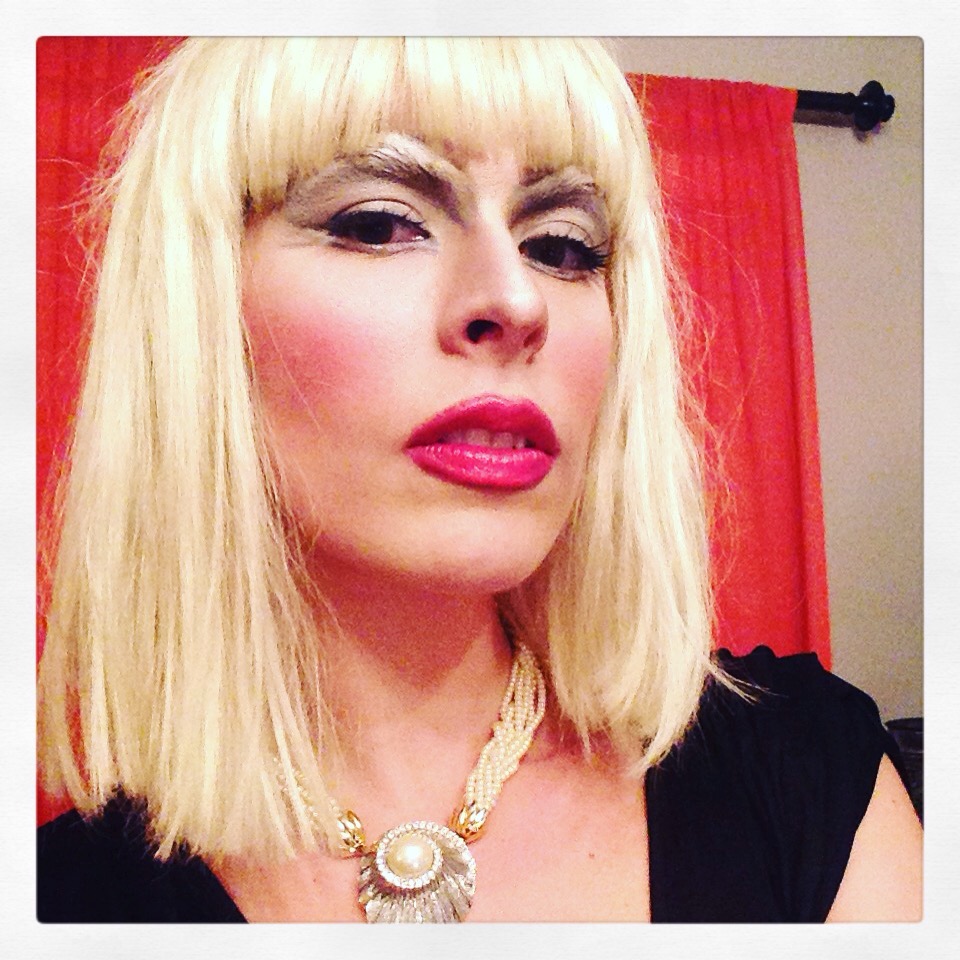
Gotta hand it to the true queens. This look was a hot mess; my glue-over-eyebrow technique was coming apart at the seams almost instantly. I was horrified by how quickly my own eyebrows mutinied beneath the layers of glue stick, blown upward and sealed via hairdryer. They were fully visible, though glossy and silver. Making yourself an entirely new eye shape is no easy feat.
No evening is complete without a pre-midnight group selfie. We were pretty impressed with ourselves. We put Kylie and Kim…and whatever the rest of their names are, to shame with our overdrawn lips and contouring.
And this reveal features our fave friend “Nik James”.


If I’d had the foresight to plan it, these would be our holiday portraits and cards to our loved ones. Almost as campy as our actual wedding invites.
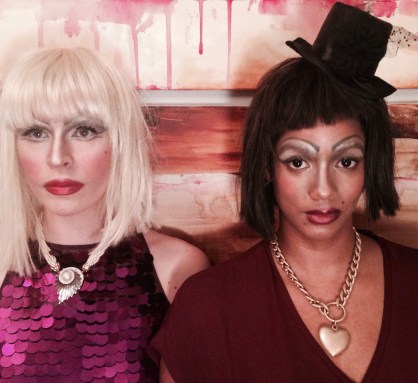
Happy New Year: From Us.
We wish you love…

Sweetness…
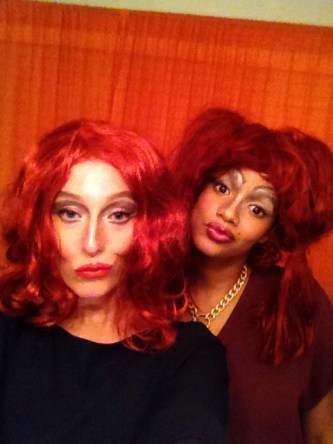
Fierceness.
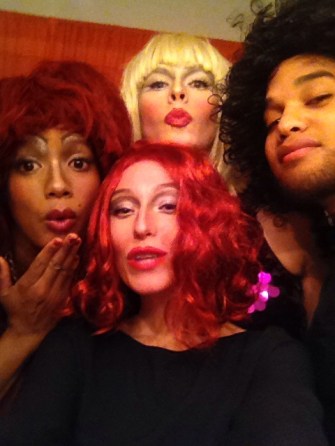
Time with friends and family.
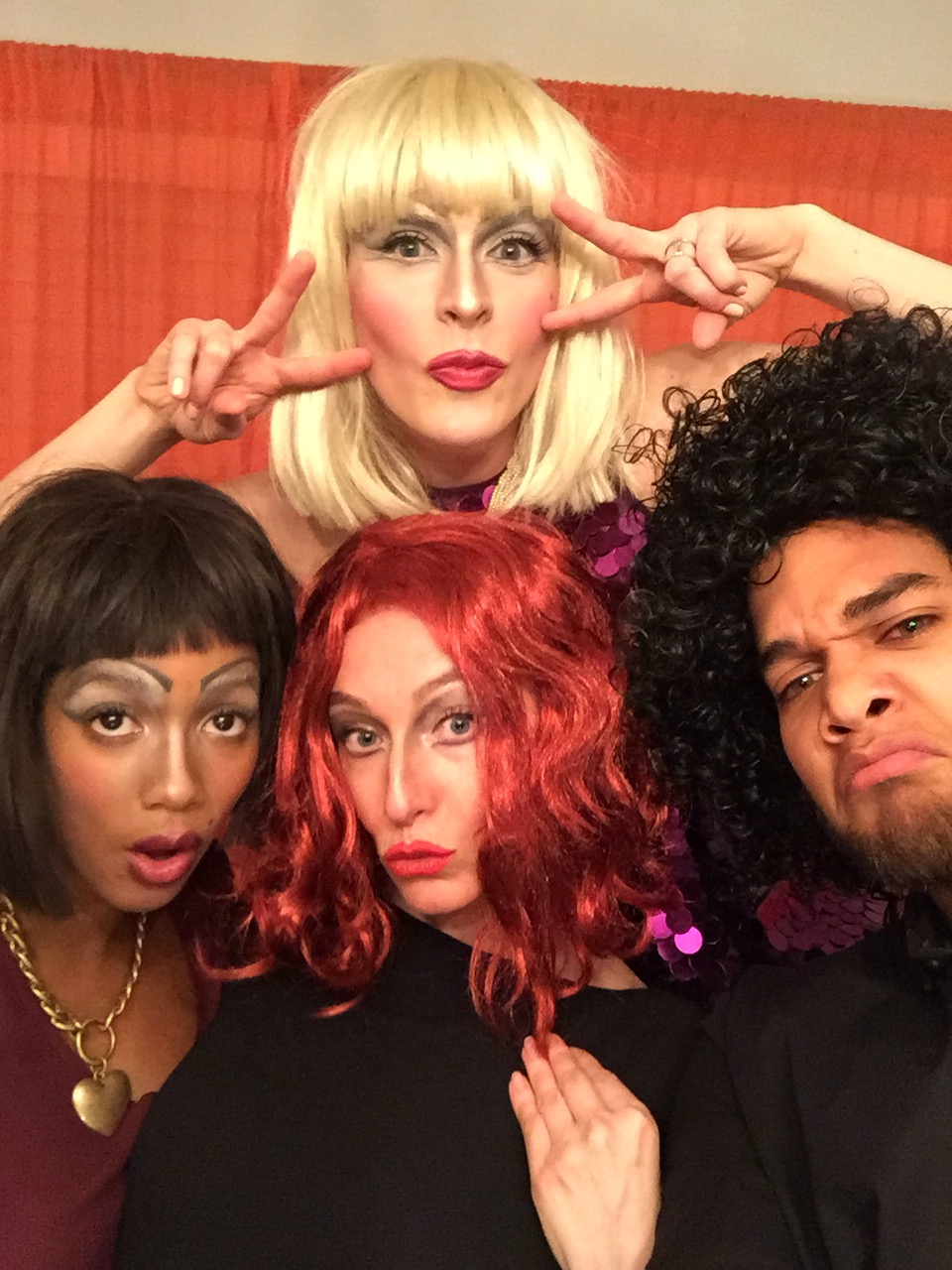 And the wonderful gift of self-love, empathy, patience, open-mindedness … and the ability to laugh at yourself.
Happy 2016!
While the rest of the Western world was at a screening of the new Star Wars film, I was hearing parts of the film’s sound fx leak through the wall, while watching the film Carol. To round out the day, I also watched the documentary, Do I Sound Gay?

For different reasons, each film really brought out an unexpected revelation about their shared subject matter, queerness, and had me thinking deeply about a thing I feel (and have felt for most of my life) that I’ve got a pretty good grasp on.
I’ve been gay (consciously) for half my lifetime. Coming out, as I did, at 16-years-old, means I’ve had lots of time to think about it. Sometimes, honestly, I’m surprised by what I still don’t know. Or haven’t considered.
At Carol, a beautiful film set in the 1950’s, the story centers on two unlikely heroines, and their relationship; the film is spare and haunting. The sole love scene unfolds three-quarters of the way into the movie and is shot with reserve. This was interesting for several reasons. Leave aside that the movie’s leads, Cate Blanchett and Rooney Mara, do an incredible job, conveying the nuances of restraint, fascination, heartbreak and desire, and that the film is up for numerous awards. It’s one of several films out right now (including The Danish Girl, About Ray), that tell the stories of lgbt lives. Despite the trailer that makes it pretty obvious that this is a gay romance (but also a human one), a man got up, amidst grumbles, dragging his wife with him, and loudly protested, “I’m not going to watch this!?!” as soon as a woman’s clothes came off… and she didn’t take them off in order to be the receptacle for some man’s desire or hard appendage.
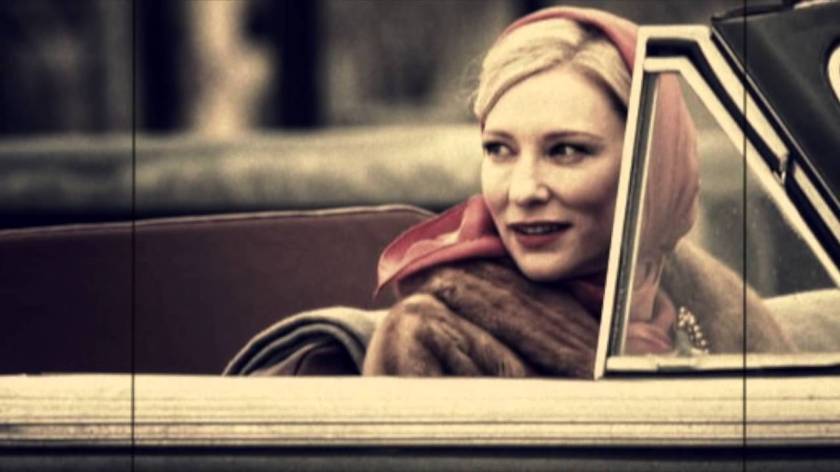
Interesting; for once (one time too many, apparently) he had to suspend HIS disbelief and imagine a story that is not designed to reflect his desires; like every queer person who watches a love scene, that does not show their own situation, and still manages to empathize, to have their heart quicken, tears brim their eyes and to feel tenderly towards imagined lives that share the human experiences of love, loss and longing. How many thousands of relationships do we witness and respond to? How many of those are like our own? A mirror to our heart and mind.
So, that happened. One couple walked out. But for many of the rest of us, we watched as something familiar to us unfolded on screen: the closing of space. The moment between two bodies that is transformational. I would wager that every gay person has traversed a great distance, mentally or emotionally, when they took the first steps to close the gap between who they have been and who they are.
For Rooney Mara, it is the slow motion walk, across a crowded room, where she walked towards the conscious decision to become something else, leaving her old life behind.
I remember that moment, and how conscious it was to cross the distance, weighing the choice to own each step, mind racing as my body moved, knowing that I was changing myself forever, in my own mind and the mind of everyone I cared about… and had never met. I looked at her, and saw the expanse of kitchen tiles stretched out between us, each one impossibly far away from the next, black and white. The kitchen of my host family, in Brazil, at sixteen. She, leaning against the counter, drinking glass after glass of water, stalling. She made me take those steps, alone, coaxing me with her voice, small talk, fully aware of the trajectory of my body and mind; later she told me she didn’t want to be ‘something that happened to me’. She wanted us to be consciously chosen. I remember it all.
The friend who saw the film with us last night joked that she ran across that space. She knew, wholeheartedly, where and to whom she was going. Some spend years circling it. Choosing to change forever – – even if you have known (forever) that you are not what you seem, or that you are…and that everything after this moment will confirm it. Some would argue that it isn’t a change at all – you are who you are. But how many of us have to make a conscious break from the script, read to you and confirmed by everything visible and invisible in your life? You choose to stop lying. To become true. You choose to diverge from the path everyone takes for granted.
The man in the theatre was so sure of that path that he didn’t think it was reasonable that he hadn’t been warned, explicitly, about the detour.
And once we get to the other side – recognizing, to ourselves, our friends, our family, our communities… who we are (sometimes in varying orders and in varying degrees), we have crossed infinite space.
Yes, we all have firsts. But how many share a communal, cultural memory of a (sometimes painful, sometimes terrifying) first step to belonging that is not part of the story we have all grown up believing we will live?

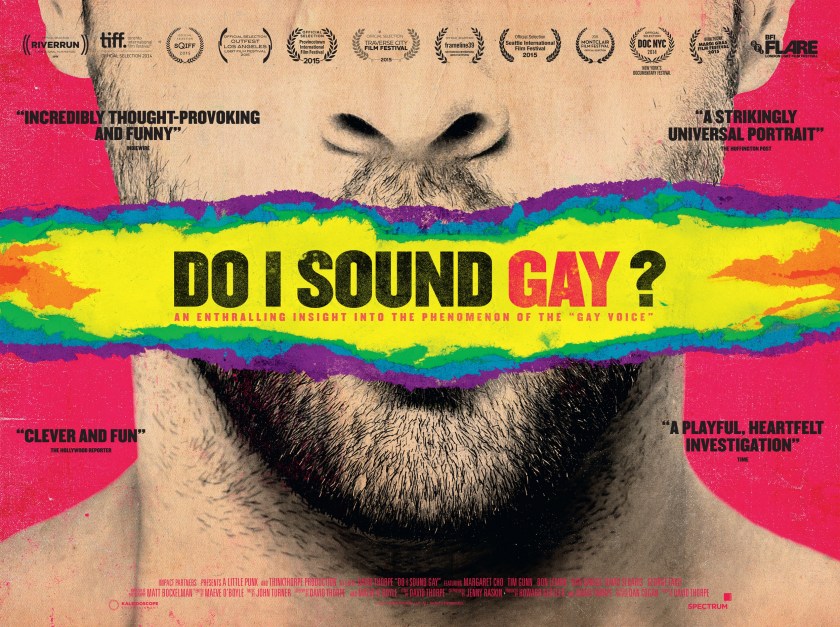
Which brings me to the next film: Do I Sound Gay? where a documentarian explores the fascination and self-loathing surrounding his voice and its gayness. He asks questions (ones I’ve heard asked so many times) about whether gayness is really a thing, vocally, and why, if it is, there are such strong feelings about it. Is it natural, nurtured? When it is involuntary, how does it impact the person who becomes part of a stereotype that is larger than themself?
Two questions stand out: why do I care if I sound gay? Why am I happy when someone can’t tell I’m gay? I honestly want to know. For queer women, I think, it’s different. We don’t have an audible stereotype. But I can identify with the strange, mystifying pride at being unidentifiable as a ‘gay person’. What does it say about me that I am happy to pass?
Partly, it means that I can self-define and exist more fluidly, bound only by the rigorous cultural expectations of my gender. Partly, I like playing with and breaking down the stereotype from the inside. We all know what the stereotypes entail, even if we feel that they are mostly ghostly, outdated ‘types’that really describe no one in particular… If I did embody the stereotype, I’d cry. There is some shame. And pride at having escaped a laughable cliche. And then there is privilege. I am aware that, in passing, I have it. It gives me the ability to move between groups, unseen, and to use my words to shape perceptions of myself… and my people. Wink wink.
In sixteen years I have never felt ashamed of who I am, not for my gayness. But I have interesting queries about what our identities and aversions mean for us, individually and as a group. It’s the perfect lead-in to a New Year to embrace some introspection. So I ask: do I sound gay?


well, not every Friday. Or, in my case not just Friday. For some of us, last night was the first official outing for queer employees…A get together to meet and greet, and build networks of support. Turns out that shared experiences make for fast friendships.
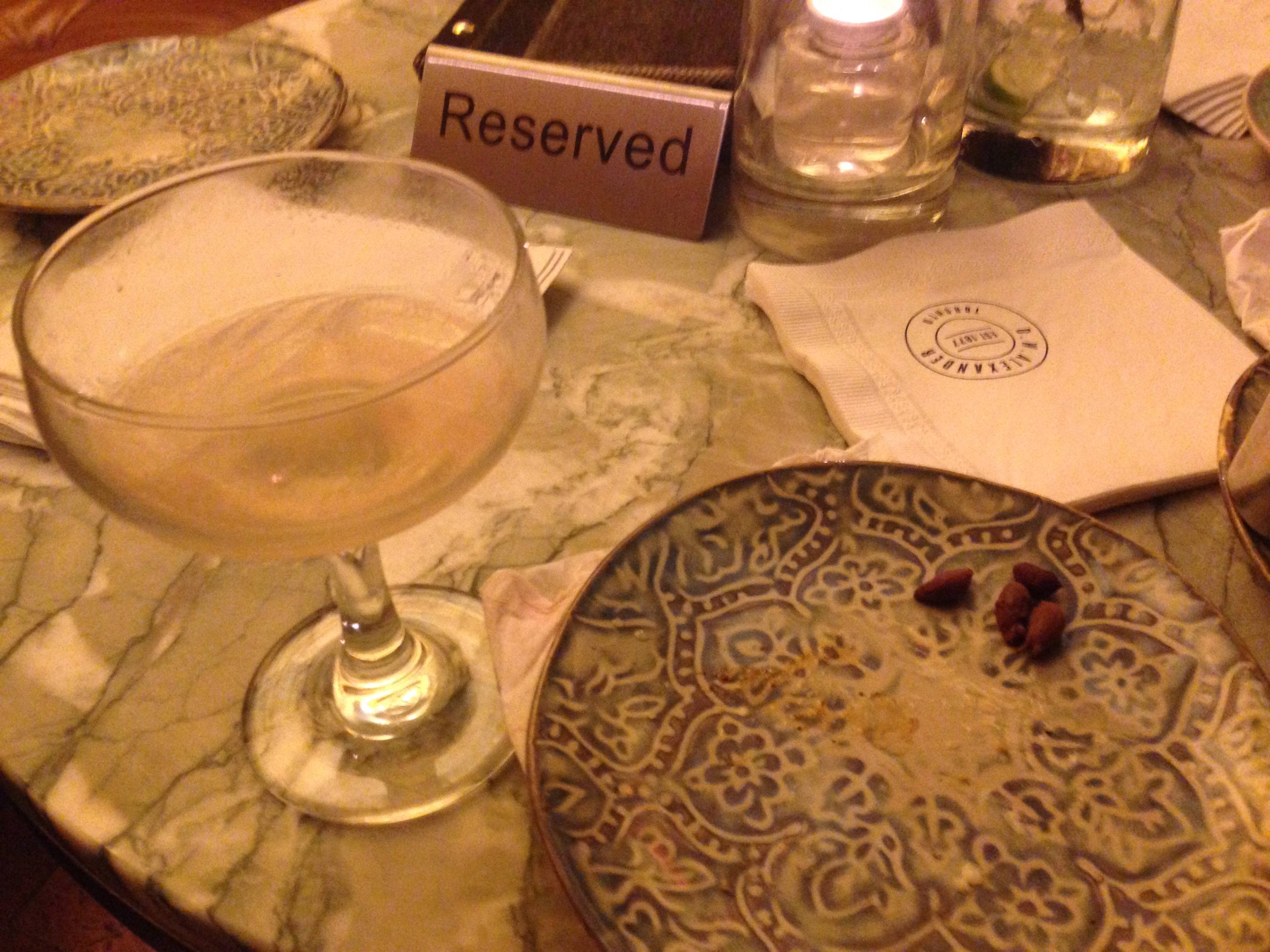

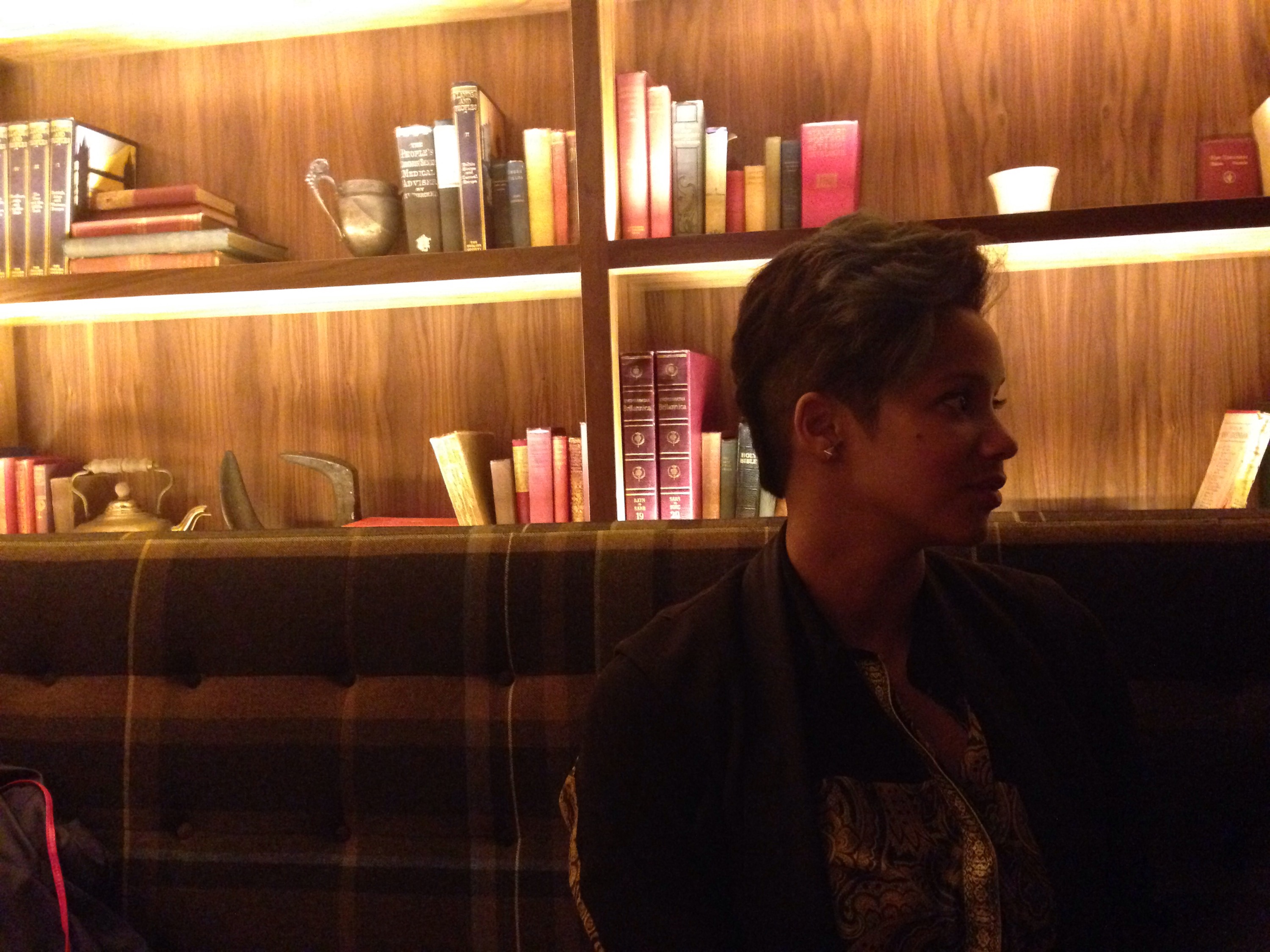 We met at Toronto’s D. W. Alexander bar and ate, drank and made merry.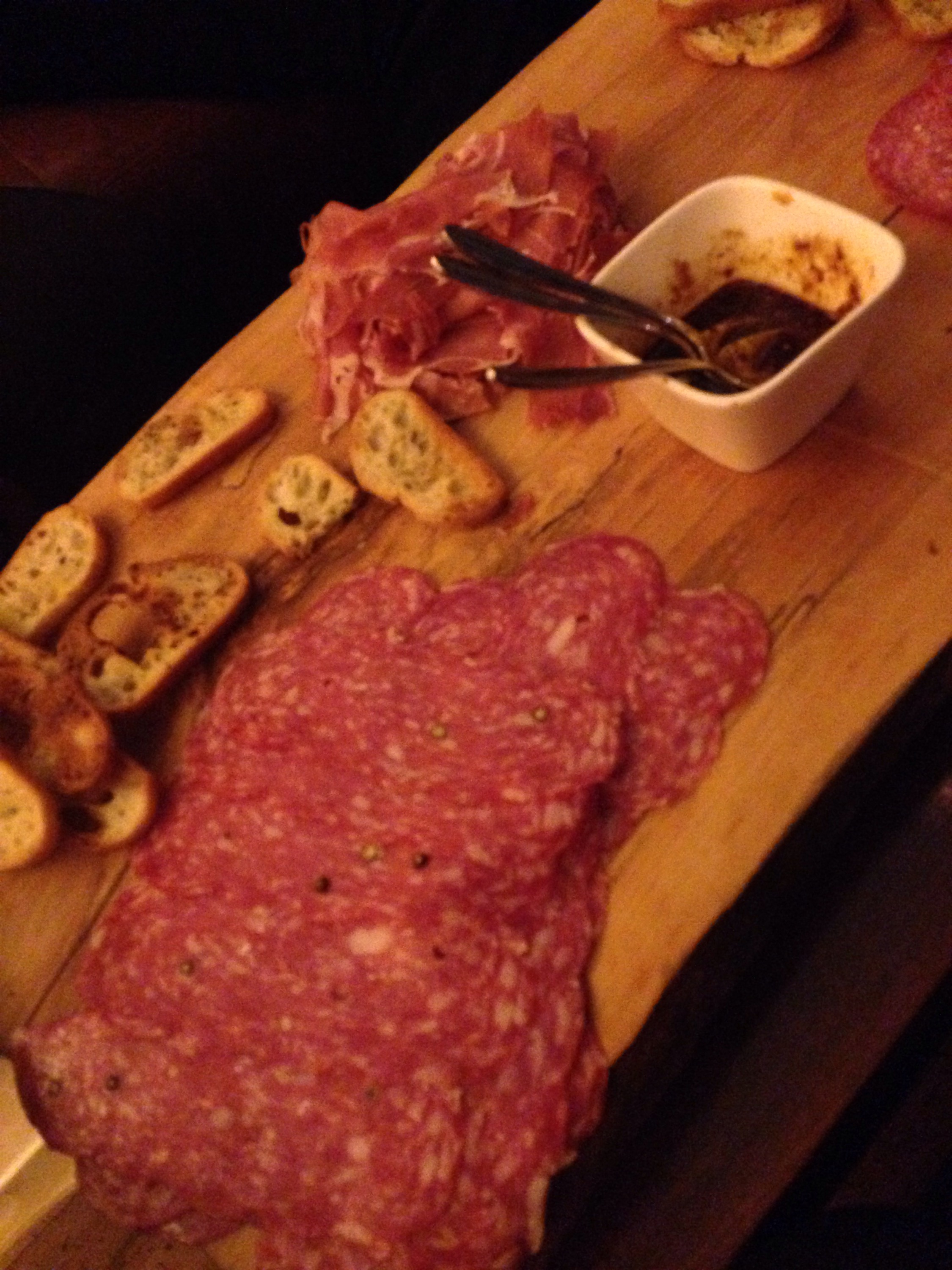
 Then we collected more fabulous friends at Sambucas for dinner and ended our night at Crews and Tangos (which just so happens to be the first gay bar I ever went to, as a newly minted sixteen year old lesbian, half a lifetime ago). Nothing beats a good drag show and a room full of people belting out Whitney Houston together.

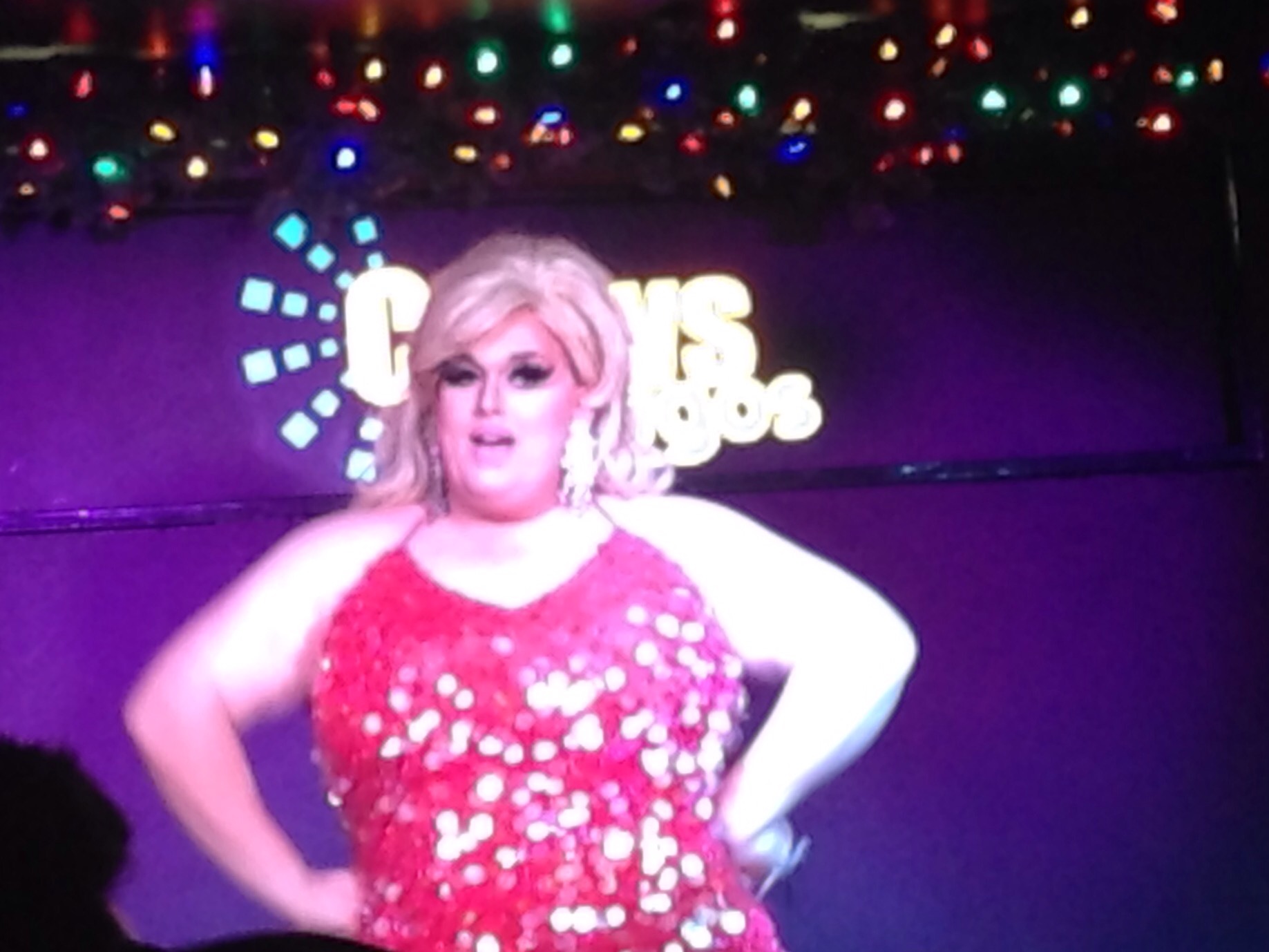
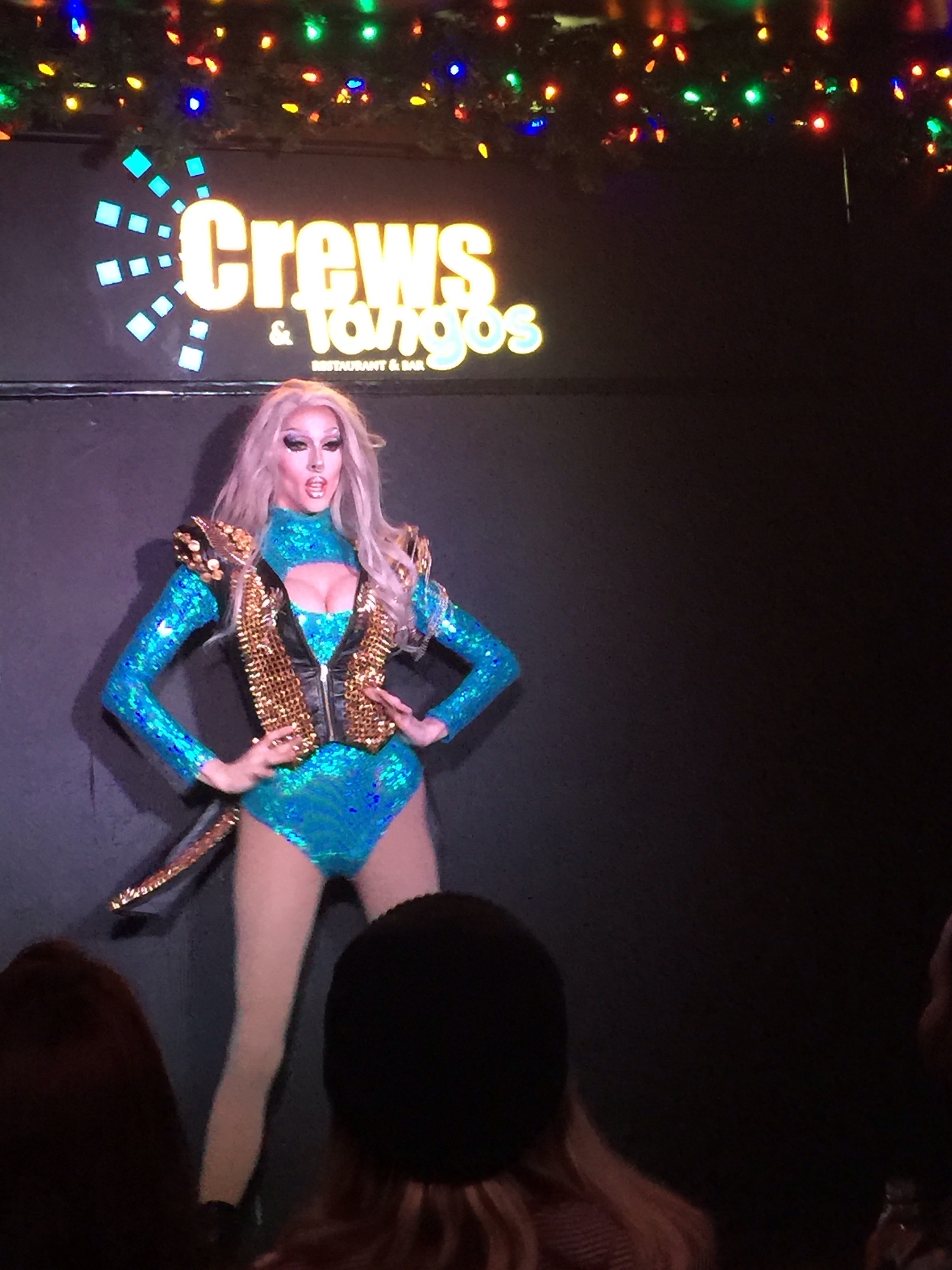
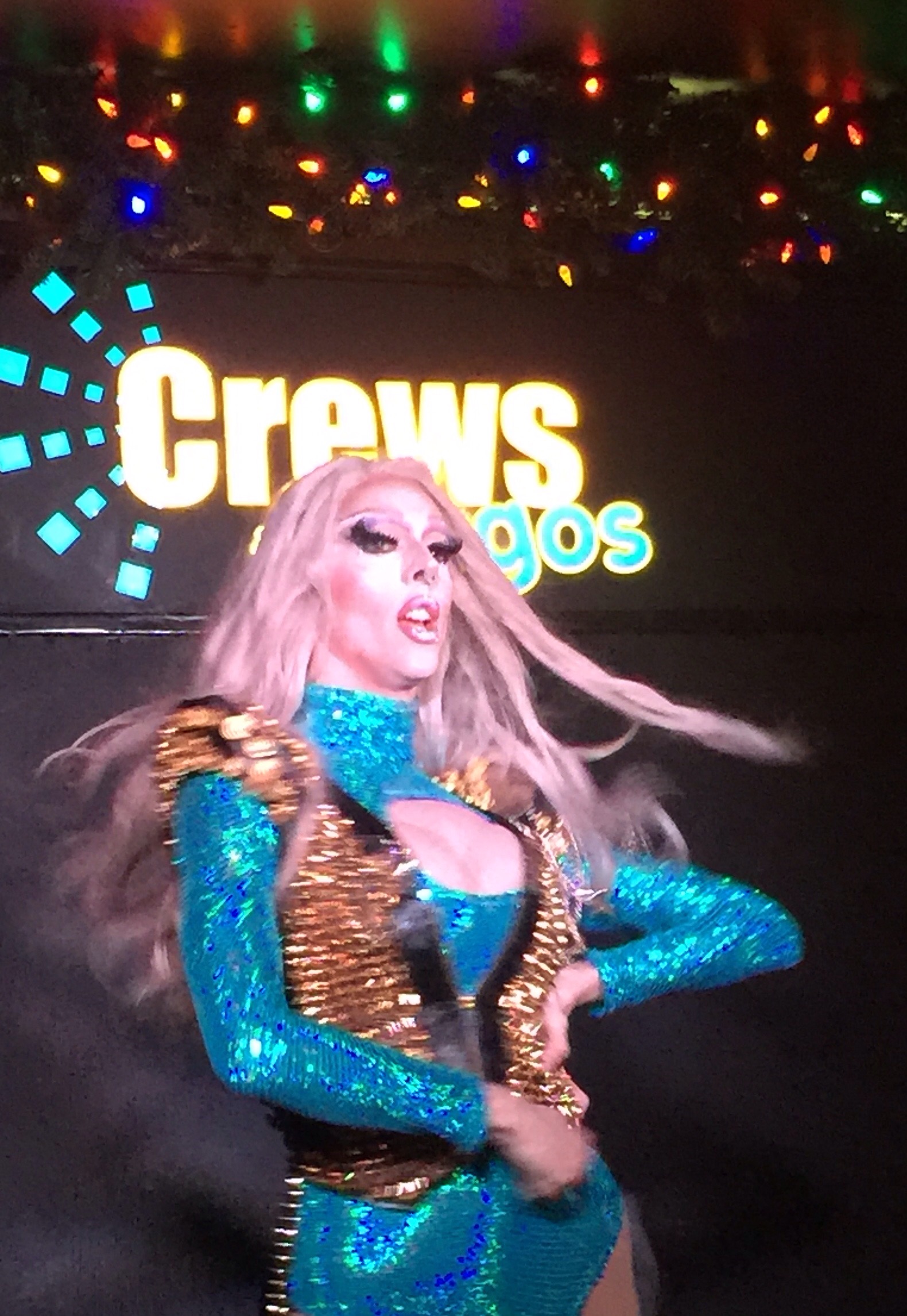
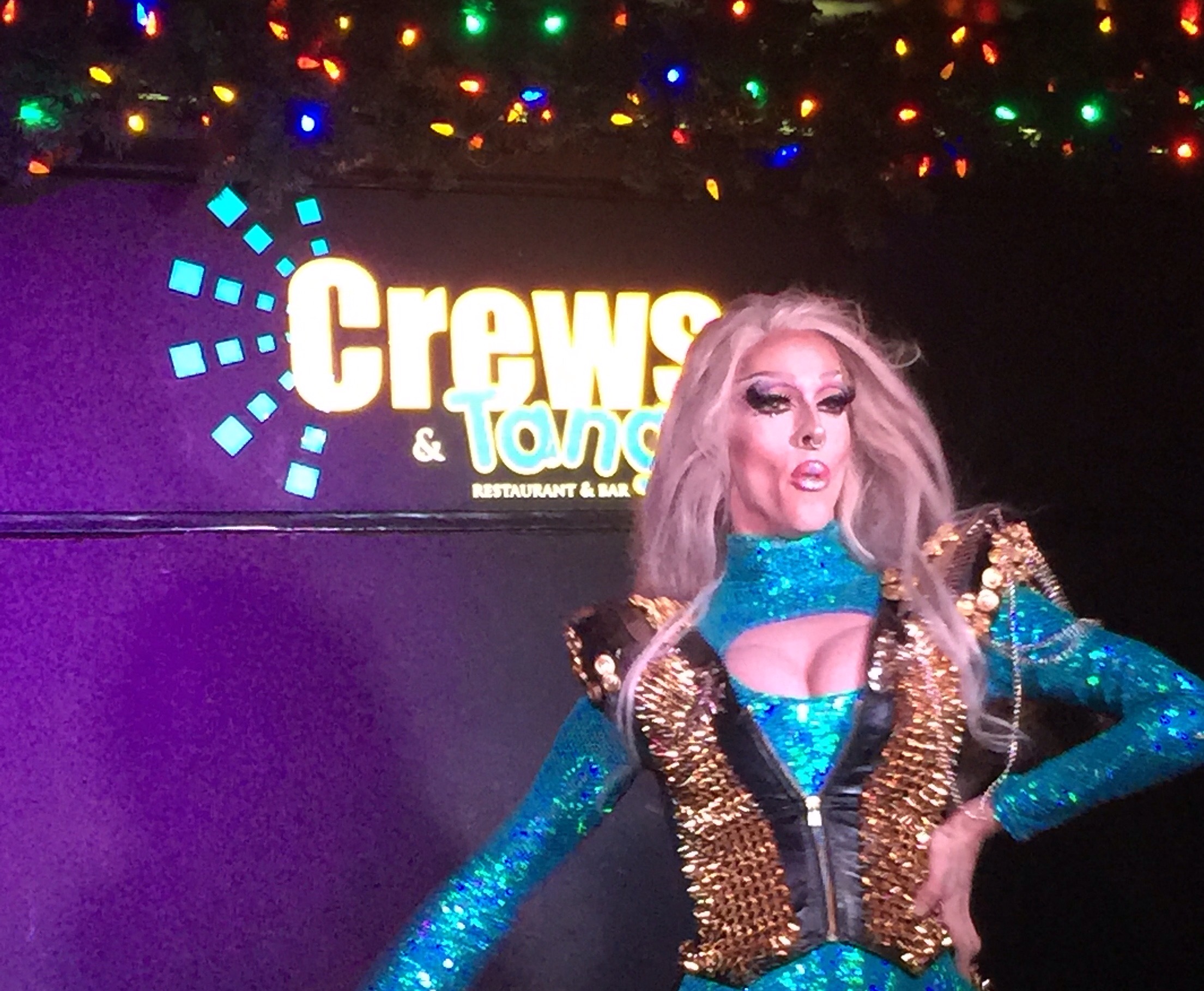
Cheers queers! Here’s to all the progress of two decades, where new friends, gay and allied (all diverse, but unified by those LGBTQ colours) can all find comfort in great conversations, a glass of something delicious and a whole lot of sequins.
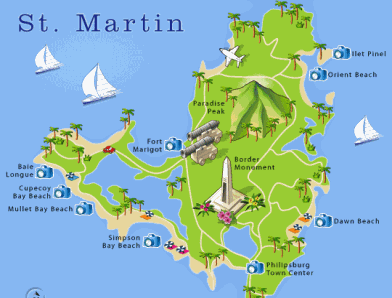
After a whirlwind tour of New York City, we hopped on a plane and headed to the island of St. Martin. Ready to dip our toes in the water, eat lots of seafood and relax, island style, we checked-in to the Grand Case Beach Resort. We opted for a condo-style resort so we could have our own kitchen and shop at the market, while also enjoying the option of our hotel’s breakfast and restaurant. After all, Grand Case has a strip of restaurants that is well known for its incredible French cuisine and Caribbean and Creole fusion.
Island adventures in eating, sight seeing and relaxing!

We indulged in everything friends and family could recommend, which included a trip to Loterie Farm. By day it’s a park with a private swimming area and hangout, with zip-lining and rain forest tours overhead… by night it’s a posh club or romantic place to tuck away in a private cabana.

Imagine this place by night, lit moodily with twinkling light – the sound of waterfalls blending with the calls of the creatures in the forest and bats swooping silently overhead. We were invited to tour this place all by ourselves when all was quiet.

That evening we ate in the tree top lounge. The food was lovely and you could see the bats sweeping by outside.
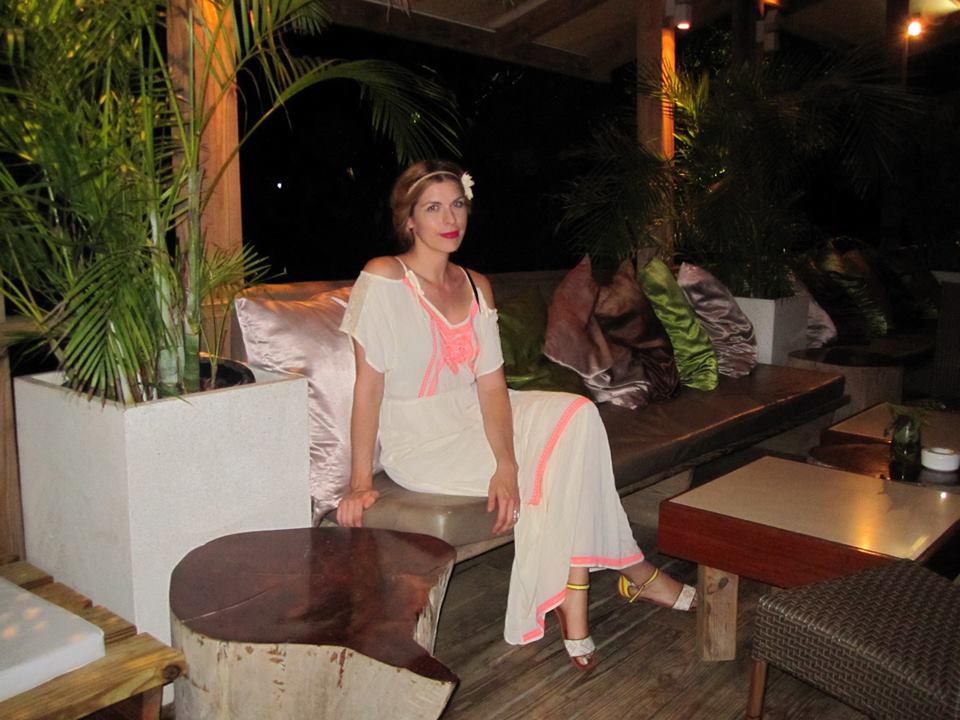
Relaxing high in the trees.

Exploring the islands nearby; we took a catamaran trip to Anguilla, on rolling waves and jumped into the clear blue waters to snorkel with sea turtles and cavort on the beach.

Gorgeous sea life was so close you could touch it. I loved swimming over the grazing sea turtles, watching them gracefully dip and bob through the water.
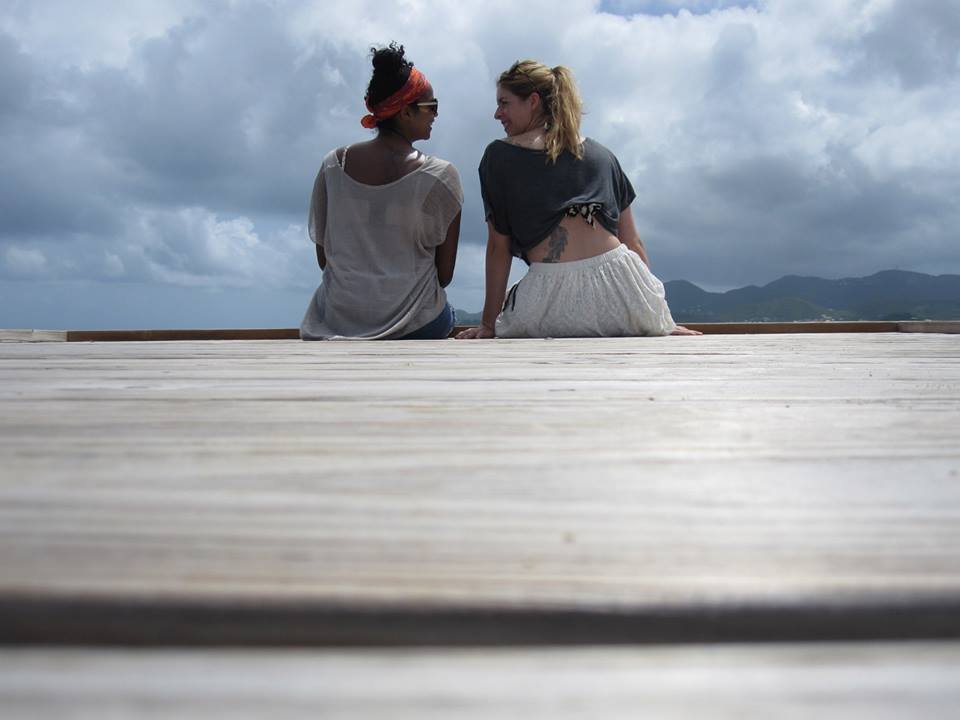
For two days we rented a car to explore more of the small island. Totally do-able. You can drive the entire island in an hour. We stopped at romantic lookouts, quiet cafes and drank coffees in the morning, mimosas at lunch and in the evening we walked or took taxis to enjoy the nightlife, while ensuring our safe return to the hotel.

Grand Case is brimming with great places to eat and drink; it’s known for its restaurant mile.
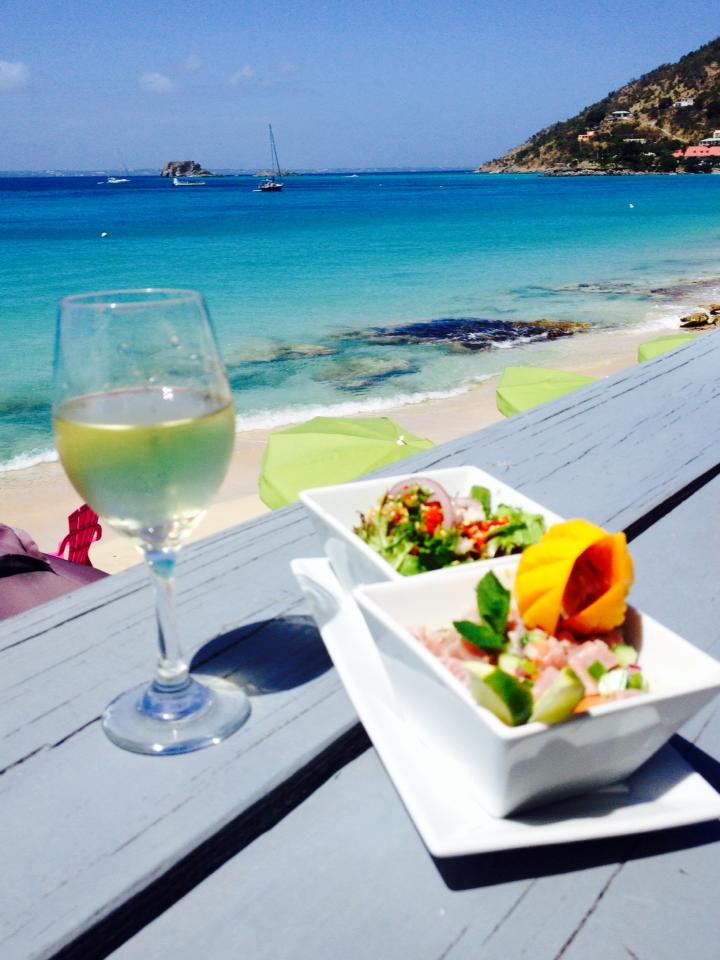
We particularly liked the Zen’it Beach-Grand Case beer garden and cafe. The owners were friendly and it was a super place to relax in the afternoon and into evening. It was very quirky and laid back.
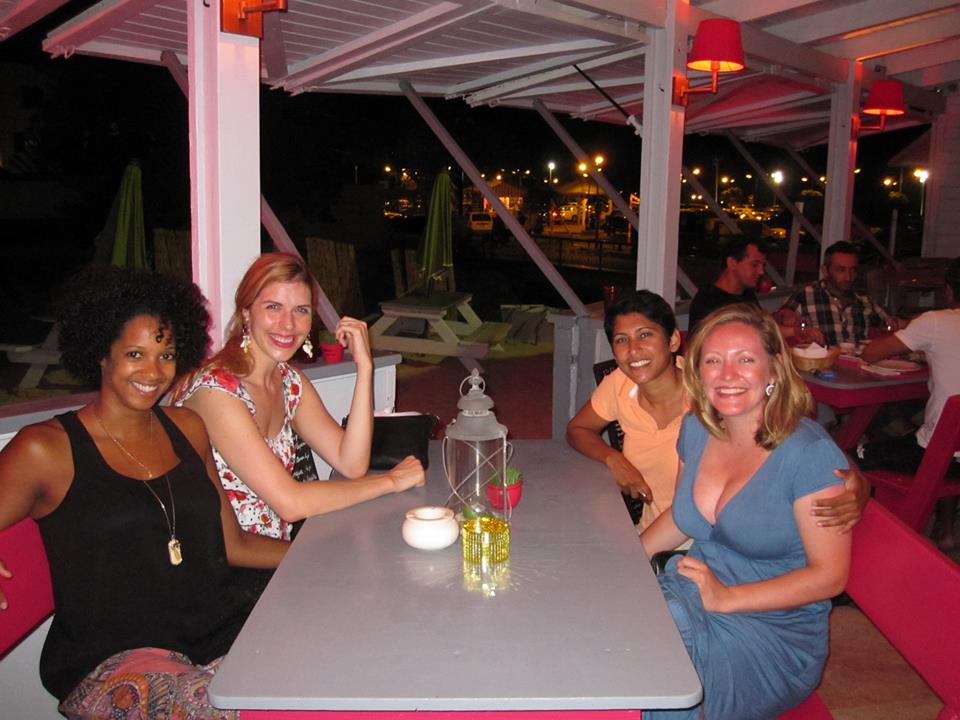
Sharing drinks with new friends. We were surprised to see quite a few other LGBTQ couples. These New Yorkers were travelling together and they are now newlyweds themselves!
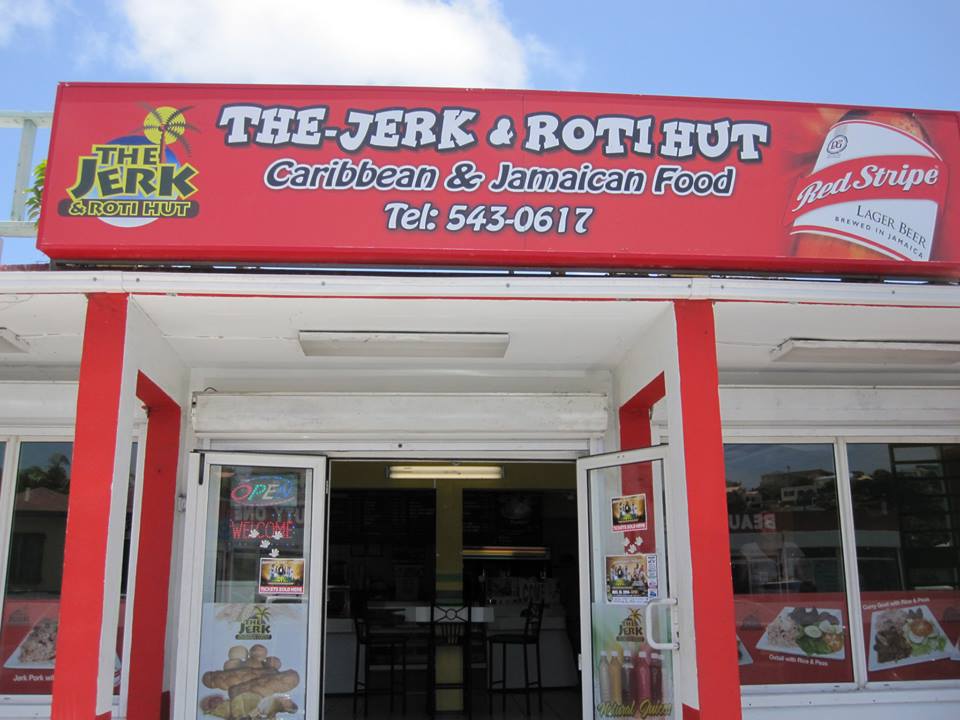
On our journey we were on the lookout for some good local ‘fast food’. Allia had fish escovitch and I had jerk. Of course.
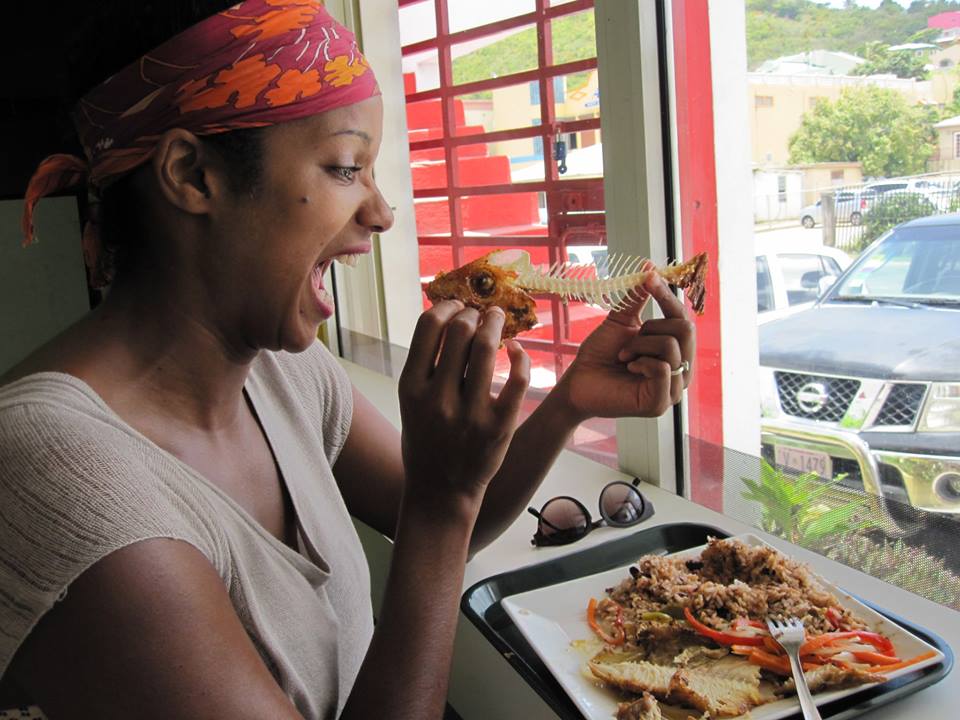
Playing with her food.

Out on the catamaran.
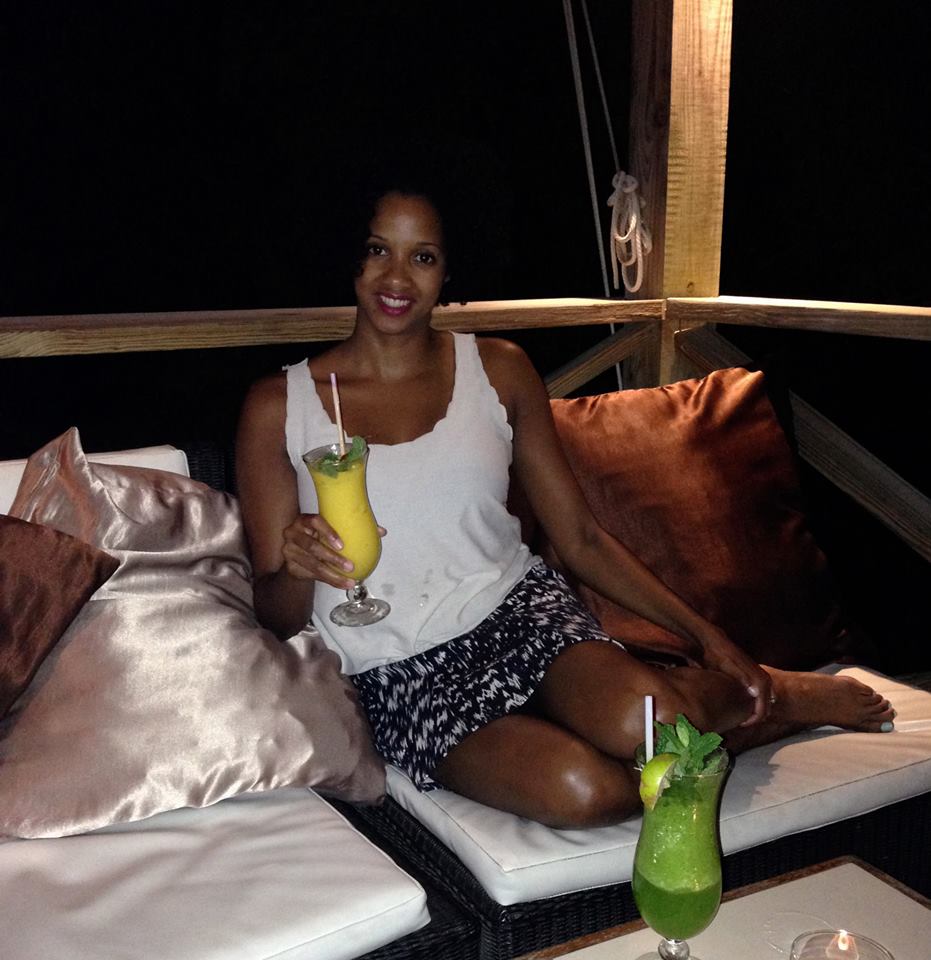
Evening cocktails with mint and fresh tropical fruits.
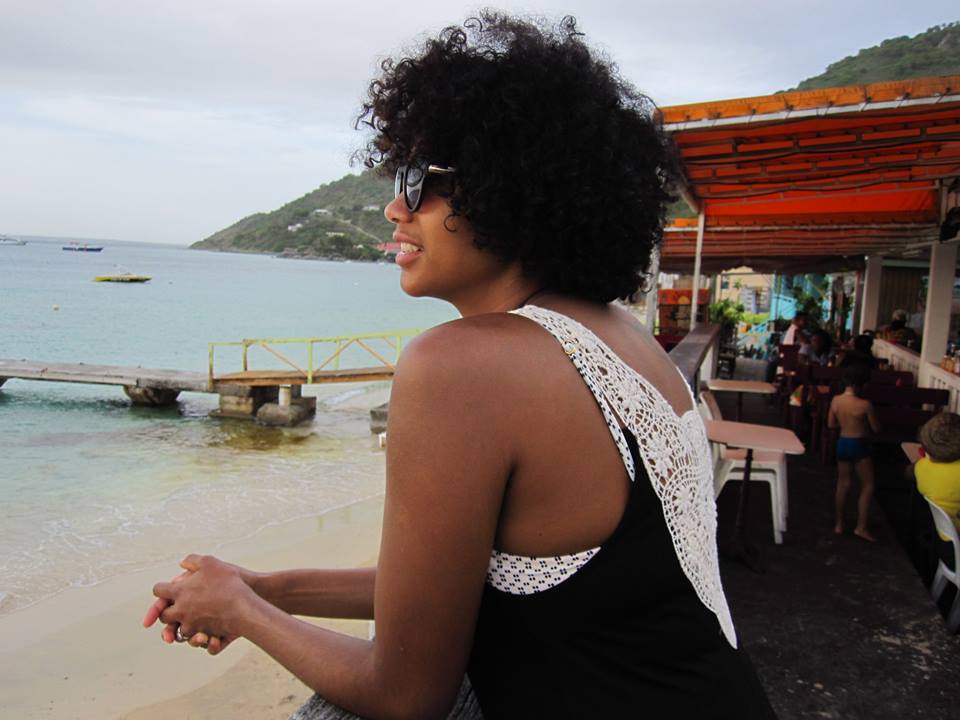
My beautiful new wife, looking out from Sunset Cafe.
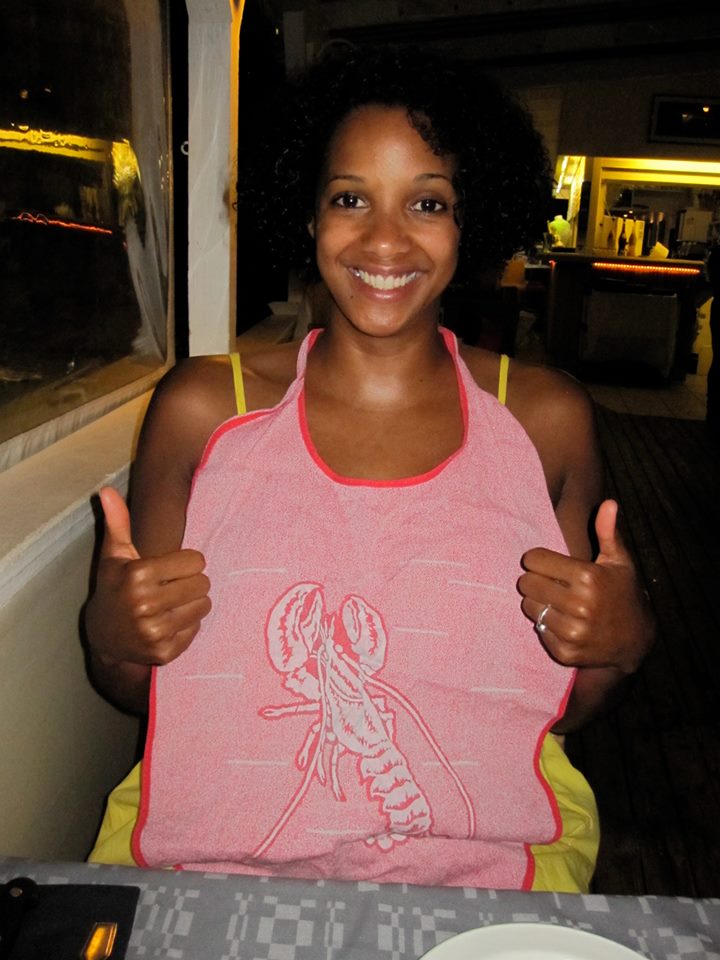
Lobster bibbed and ready to go.

Lolo’s served authentic, piled-high food at very reasonable prices, with all the carb combinations you can imagine: spaghetti, rice, potatoes … all as the sides to your meats… with salad and veggies. This was the place to go if you were hungry and felt like sharing flavourful, simple food.
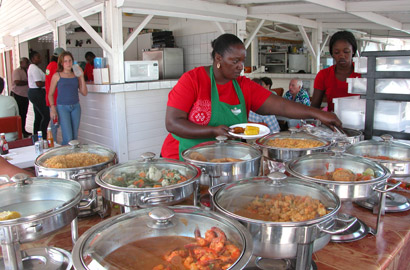
Lolo’s and Chez Coco are almost indistinguishable from one another, save for the aisle that runs between their outdoor tables. These beachfront open air restaurants were one of our favourite finds. All the dishes were served heaping and hot. Total comfort food.

Bbq and smoke at Lolo’s in Grand Case. They would call out and chat you up like an old friend as you walked by. How can you not stop in for a bite?
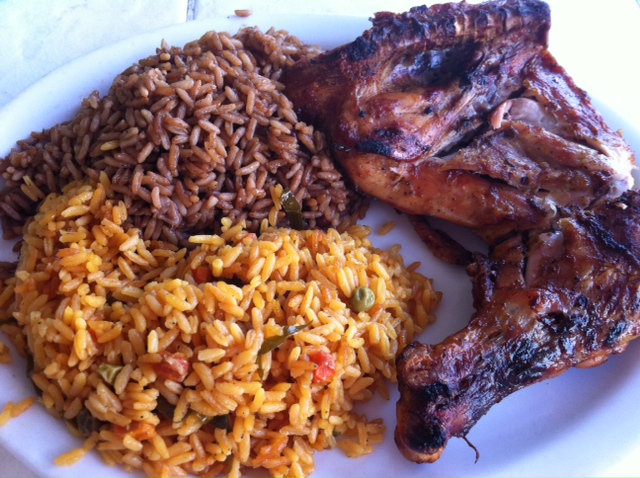
Jerk chicken and rice.

I think 3 Euros for two mangoes is a hefty price. But Allia was charmed by the kerchief’d old lady selling them roadside. And they were the BEST mango I’d ever tasted.

Wrecks in the harbour.

Street graffiti pays tribute to the islands French culture. The island is divided between France and the Netherlands.

Zip lining through the canopy.

At Maho Beach, despite the warnings that ‘death may result’… people wait to stand beneath the flight path of incoming and departing planes. We watched from a safe distance, Heinekens in hand.

Beautiful beaches on the island of Anguilla.

Snorkeling right off the rocks at our hotel.
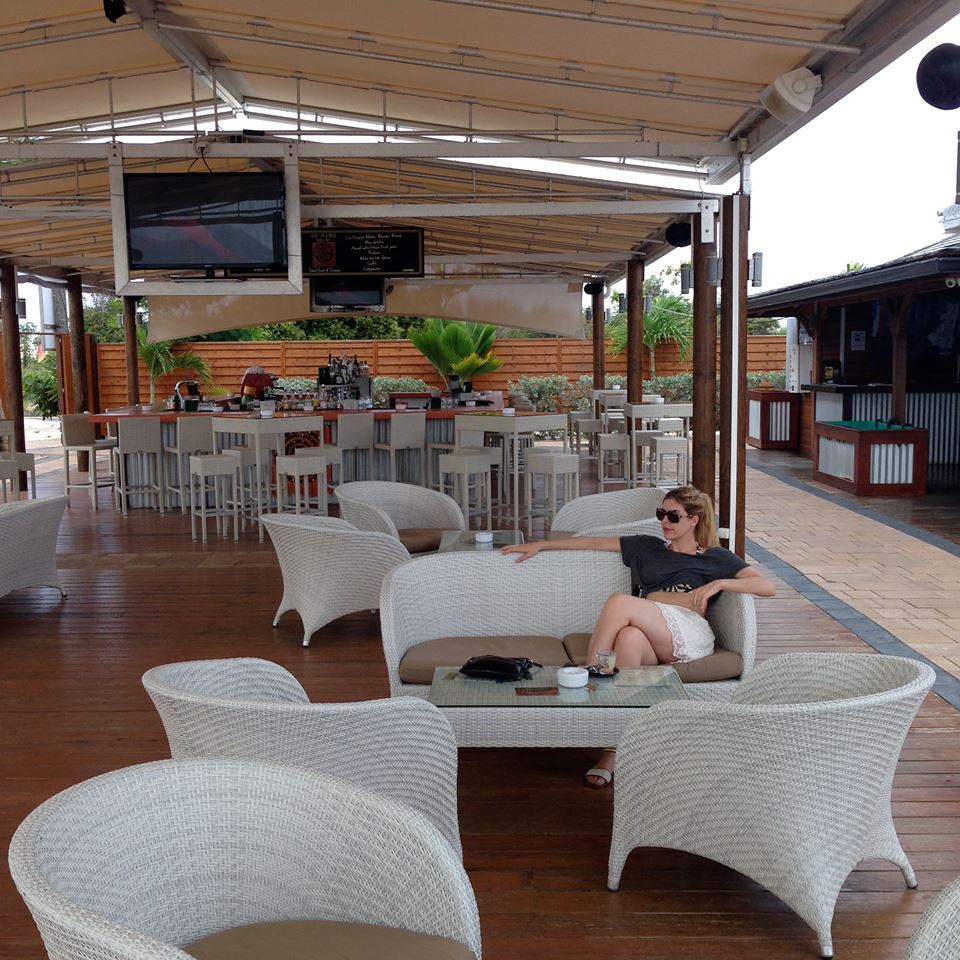
During low season, we had this relaxing beach cafe all to ourselves in the early morning.

Calmos was a wonderful place to enjoy live music and feet-in-the-sand salsa dancing at night.
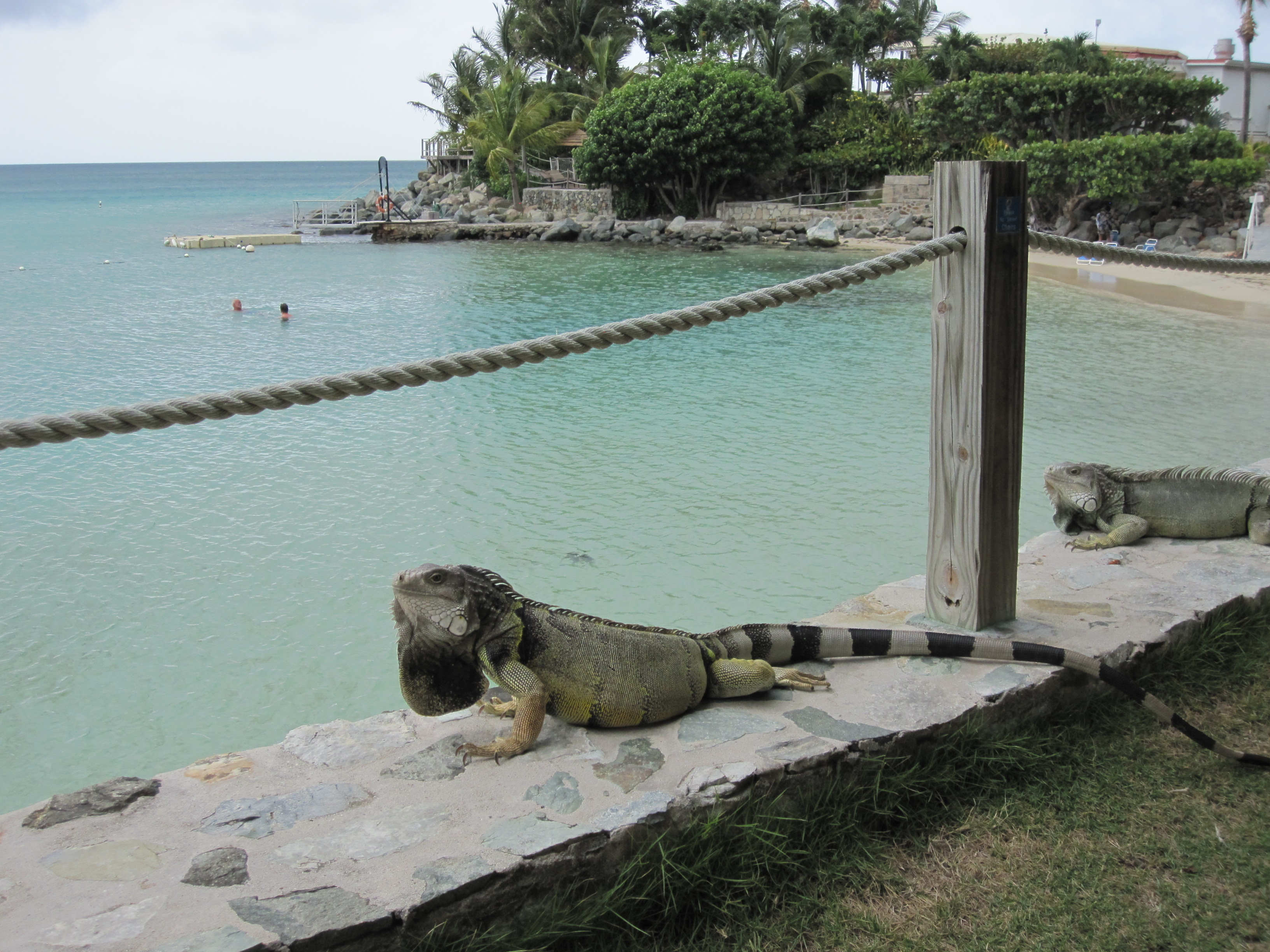
Our friendly, neighbourhood iguana.

Grand Case Beach Club’s waterfront.

Accommodations. Simple and clean. Air conditioning is a must. The weather was breezy but tropical.

Passing ships at the Grand Case Beach Club.

What we happily referred to as “Our Beach.”
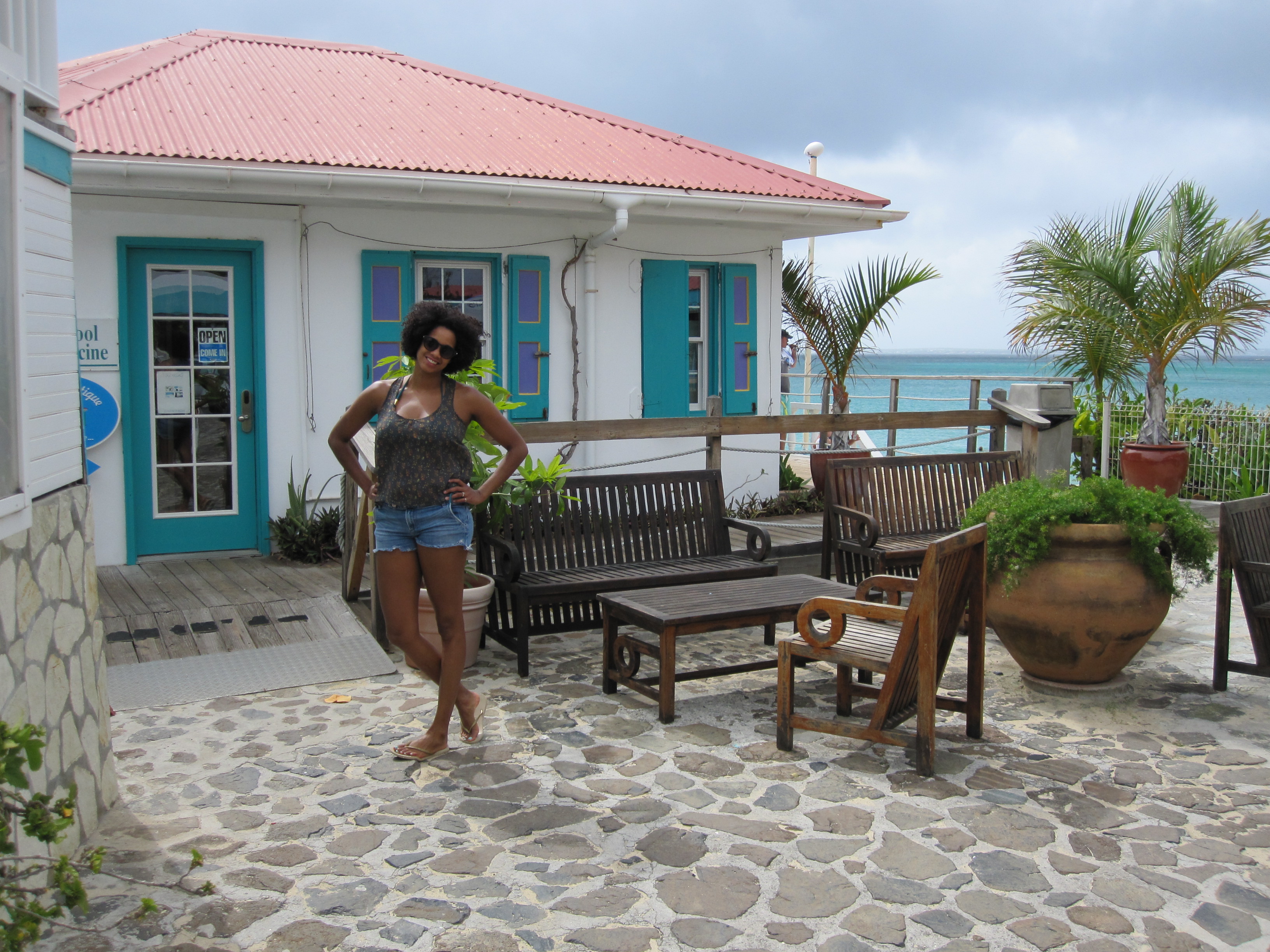
Striking a pose between the sports and water desk, and the cafe at our hotel.
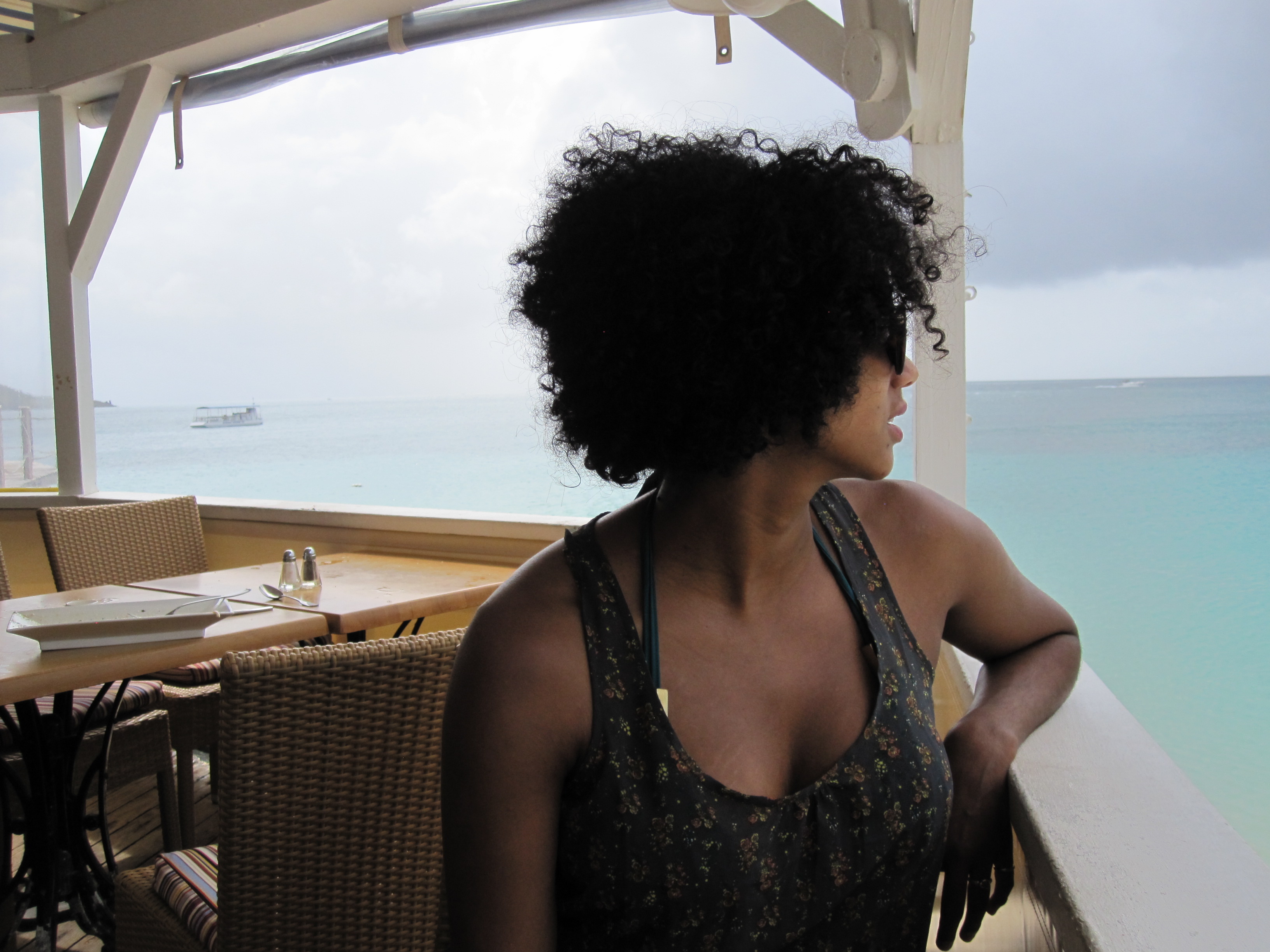
Love. Love. Love.

Lazy afternoons… with cocktails.

Strolling the board walk.
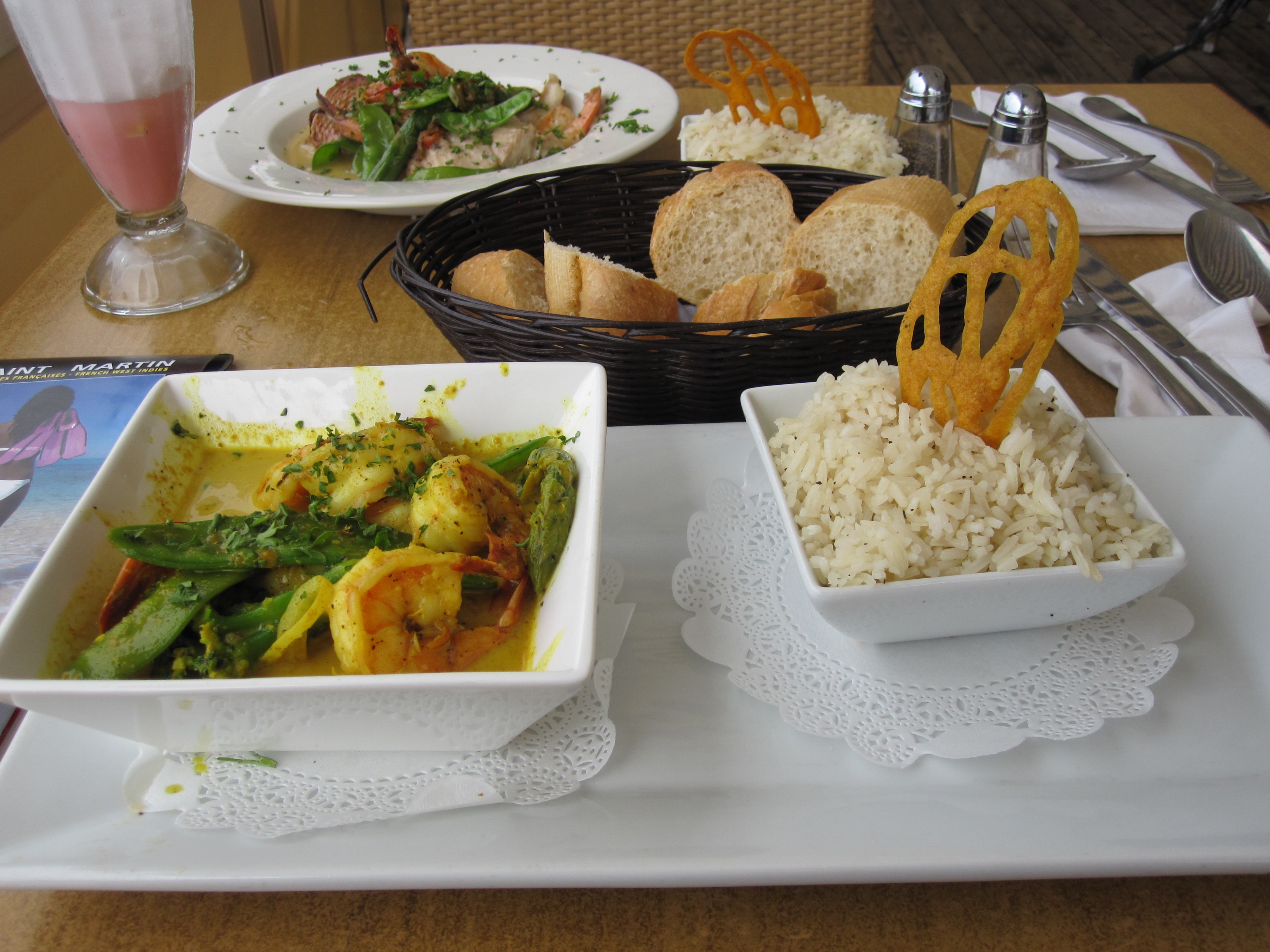
Curried shrimp and rice. Making plans for the rest of the day, while eating = our favourite pass time.
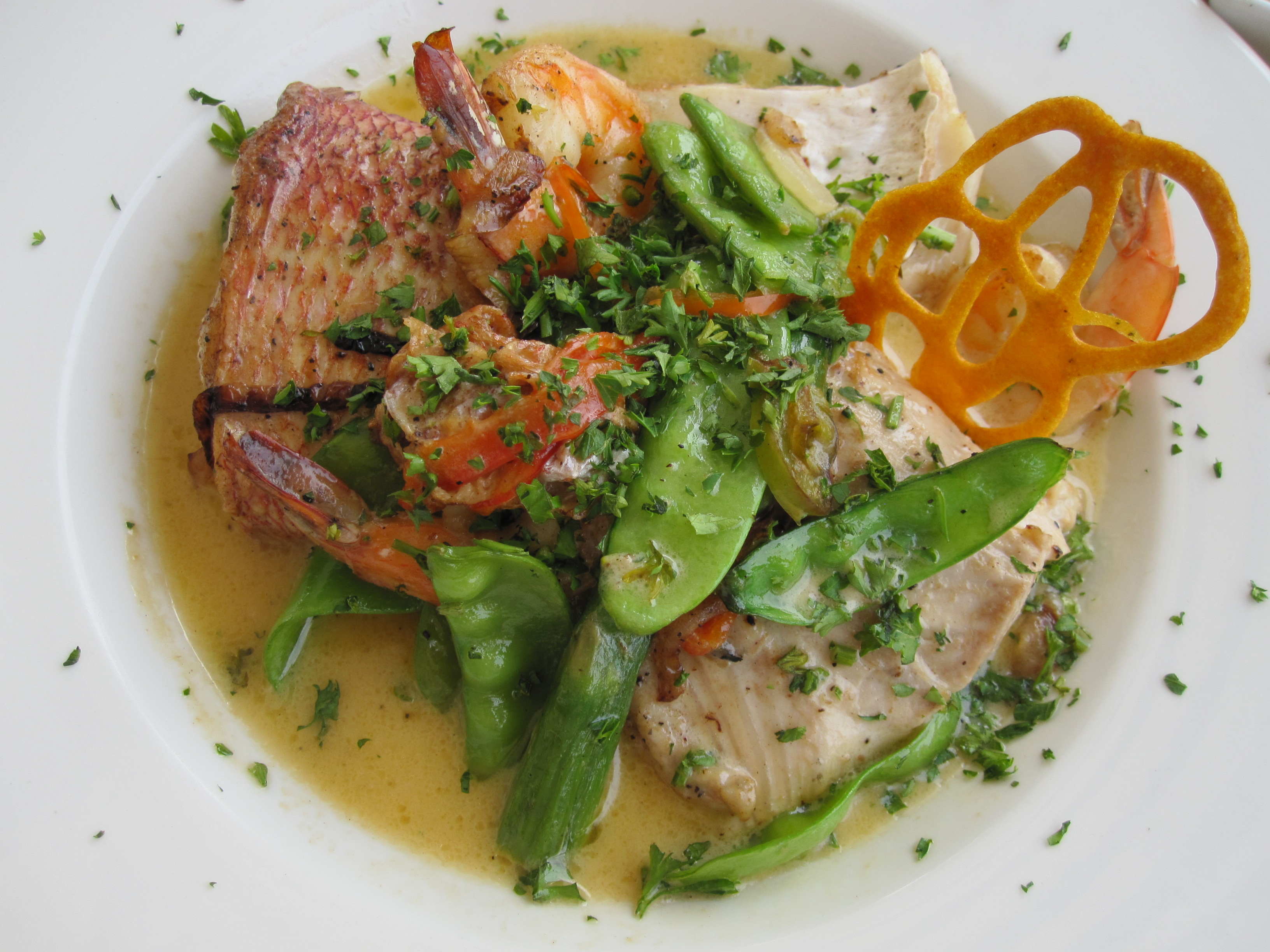
Chicken and shrimp and fish… oh my.

Bye bye, Grand Case Beach Club.
Aurevoir, St. Martin. We will miss you. Thanks for the memories and the most relaxing end to our honeymoon!
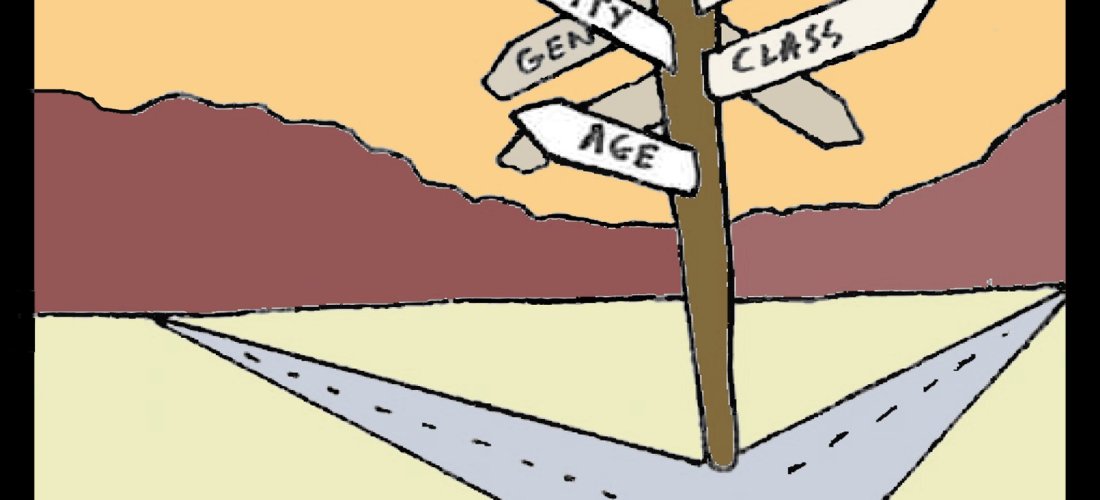
I recently attended a workshop to prepare me for teaching a course called Theory of Knowledge in the IB Program. TOK “asks students to reflect on the nature of knowledge, and on how we know what we claim to know.” A heavy task, to be sure. I wondered, before attending the Toronto conference, would I be up to the rigors of the academic environment? Was I up to the challenge of pushing students to think at this elevated level and to get them to engage in the kind of dialogue that really gets to the heart of ‘questioning what we think we know’?
I was relieved to realize, quite quickly, that we were all in the same boat. Our workshop had twelve teachers, from Canada and abroad, who were all ready to think about ‘knowing’. I suppose that given my background in equity studies, where thinking about my own privilege, ignorance, assumptions and lenses, I was well equipped to start thinking about how I ‘know’ things and how that might change depending on my own experiences and identity.
The twelve of us were remarkably similar for a group whose mission included ‘thinking about diverse perspectives’ and exploring knowledge systems like Indigenous, Religious and Historical areas of Knowledge. We were all white, all able-bodied, employed, English-speaking adults. And as far as I could tell, everyone but me was straight. That became apparent quite quickly.
————
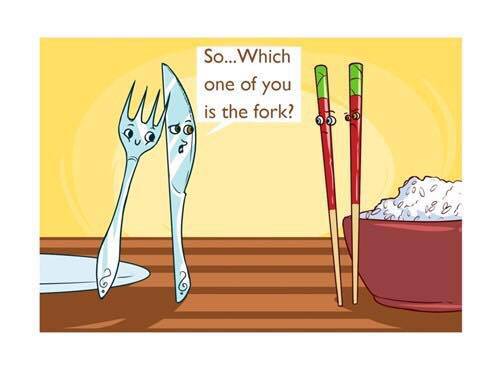
Sometimes you don’t know what you don’t know until you are hit in the face with it; at some point, you have to consider that your ignorance has an impact on others. The biggest take away from my three-day conference could just as easily have been taken from my grade nine’s study of To Kill A Mockingbird: you can’t really know a person, until you’ve stood in their shoes and walked around in them.
Welcome to my experience of Theory of Knowledge:
With a conference hosted in Canada, it would seem logical to have leaders be familiar with Canadian expectations regarding a teacher’s obligation to provide a safe and equitable classroom free from discrimination and hate speech. Differing opinions and exploring how we come to understand and establish what we ‘know’ is an important part of an IB education and certainly there are opportunities to explore these issues deeply and to look at sensitive issues that are globally relevant, but instructors need to be aware of how to deliver this material in a way that does not marginalize their class or create an oppressive learning environment; first and foremost, our students must feel safe and supported in order to engage in the rigorous academic challenges that we create in our programs, and consciously establishing respect for differences is a key part of this goal. Productive academic discourse is very valuable, but there was a definite lack of equity background and knowledge in my session and the instructor struggled to effectively create a safe space for dialogue about issues which are protected by law in Canada/Canadian schools. There were some very troubling materials and content recommended by the instructor (anti-gay marriage essays, etc), and no context or preamble was provided by her. As a lesbian who is out at work and fully supported by my school community it was extremely offensive to have to sit in a room while educated adults debated the value of a resource that proposed, from an ‘ethical’ standpoint, to eliminate me and my family from existence. The casual manner in which the material was introduced was very alarming. Facilitators of workshops should assume, as in their classes, that diverse identities are present in the room and that we are not statistics to be discussed dispassionately as though we are not present for the conversation. Certainly this is a huge issue of debate, globally, but it was not presented in a thoughtful or ethical manner. This had a very negative impact on my experience, and the instructor was extremely obtuse about her own lack of equity practices and how to create a safe(r) learning environment. On a positive note, it was a great teachable moment because it gave us lots to talk about at lunch, as many of the other teachers hadn’t considered the impact that articles of this kind can have on invisible minorities within the room, but it’s alarming to think about what a horrible effect this would have on a student if delivered in a similar manner in a school setting. IB, as I understand it, celebrates diverse perspectives and the IB Learner Profile strives to build Caring individuals. An awareness of these important points was markedly absent in the delivery of the workshop I attended.
————–
So, to you, Mme. Facilitator,
How did you picture that conversation going? What did you think a queer person in the room would feel while you debate their right to exist? Did you expect me to sit there, smiling, happily contributing to your discourse about the what a useful and well-written article this was?
I’ll leave you to ponder a Theory of Knowledge for a question I definitely know the answer to:
At what point does the human cost of an academic exercise outweigh its usefulness as a lesson? What is the value of subjecting a student to being a spectator to yet another example of oppression and dominance in discourse? I’m sure I could find a super article that eloquently outlines why rape is an effective strategical move and a brilliant tactic used in times of war to dehumanize and oppress a civilian population and wage psychological warfare on a nation you are trying to subjugate. I could probably find similarly well-written analyses of child-labour, slavery, racism, human trafficking, genital mutilation and myriad other issues…
But just because I can argue it, doesn’t mean I should. That much I know.
 StyleSaVie